Locations
Explore locations
Find pop-up spaces in leading global and local retail cities.


Unique Spaces For Rent in Berlin, Germany
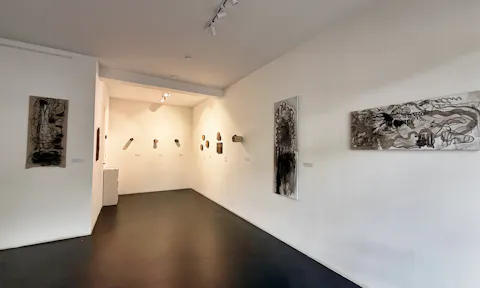

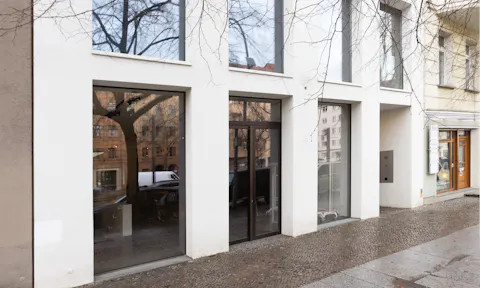

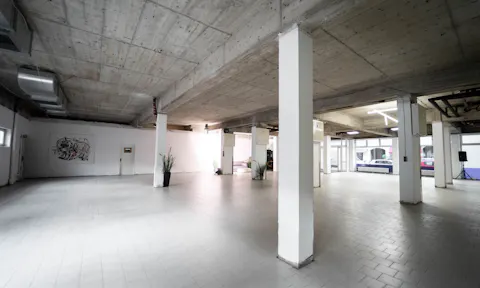

- Art Studios & Creative Spaces in Berlin, Germany |
- Cheap Space in Berlin, Germany |
- Cheap Storefront in Berlin, Germany |
- Corporate Event Venue in Berlin, Germany |
- Fitting Rooms in Berlin, Germany |
- Shopping Mall Space & Shopping Centre Space in Berlin, Germany |
- Small Storefront in Berlin, Germany |
- Storefront With Kitchen in Berlin, Germany
Why rent a Unique Temporary Space in Berlin, Germany?
Choosing the right location is crucial for retail success, especially in a buzzing and diverse city like Berlin, Germany. A unique temporary space can breathe new life into your brand while allowing you to capture the essence of this dynamic market. Renting a retail space provides numerous benefits that can markedly enhance your business strategy and visibility.
One of the primary advantages of renting a retail space is the opportunity to access passing trade in a bustling area. High walk-in traffic translates to a greater potential customer base, leading to increased sales potential. In a city like Berlin, known for its rich culture and diverse population, being present in a lively commercial zone offers an advantage that cannot be ignored. A well-located space will not only provide you with visibility but also allow you to connect directly with your customers, fostering personal relationships that are essential for any brand's growth.
Plus, a unique temporary space enables you to build your brand presence strategically in a targeted area. This is especially important for businesses looking to make a mark in specific neighborhoods known for their unique vibes or demographics. By immersing yourself in these environments, you can tailor your product offerings and marketing efforts to better suit your audience's preferences. The result is a more engaged customer base that relates to your brand's story.
Being situated in a vibrant commercial area also opens up opportunities for networking with nearby businesses and local influencers. Collaborations and partnerships can emerge organically, fostering a sense of community that benefits all involved. This networking potential is invaluable, as it can lead to shared promotions, events, and initiatives that enhance your visibility in the area.
Renting a retail store also offers flexibility that is essential for businesses of any size. Whether you are testing a new concept, launching a seasonal product, or evaluating a new market, the ability to rent a space by days, weeks, or months allows you to scale your operations without a long-term commitment. This flexibility minimizes risk and enables you to pivot your strategies quickly based on market feedback.
In conclusion, renting a unique temporary space in Berlin presents a wealth of opportunities for brands looking to expand their reach and impact. From accessing valuable walk-in traffic to fostering direct connections with customers and enjoying strategic networking opportunities, the benefits of retail store rental are clear. Embracing this approach allows you to explore the vibrancy of Berlin while testing your concepts and navigating the retail landscape with agility and confidence.
How much does it cost to rent a Unique Temporary Space in Berlin, Germany?
When planning a business, especially in the retail sector, understanding rental costs is important to success. Renting a unique temporary space can be an appealing option for brands looking to create engaging experiences, test new concepts, or reach specific target audiences. In a vibrant and bustling city like Berlin, the cost of renting such spaces can vary substantially based on multiple factors.
In city centers like Mitte or Prenzlauer Berg, rental prices for temporary retail spaces can range from approximately 30 to 100 euros per square meter per month. This variation often reflects the high foot traffic and visibility in these areas, making them ideal for attracting customers. In contrast, suburban locations or areas with considerably less traffic may have rental costs as low as 10 to 20 euros per square meter, appealing to brands with a tighter budget or those seeking to cater to local markets.
Foot traffic plays a pivotal role in determining rental prices. Areas near popular tourist attractions or major public transportation hubs tend to see higher prices due to the potential for increased sales. For instance, locations near the Brandenburg Gate or Alexanderplatz may demand a premium because they attract both locals and visitors. Conversely, spaces in less frequented neighborhoods might offer lower rental costs but would also come with the challenge of reduced visibility and customer footfall.
Store size is another key factor influencing rental prices. Larger spaces often command higher rents, but they can be more cost-effective for businesses looking to accommodate extensive inventory or elaborate installations. Brands needing smaller, pop-up spaces might find that their rental costs are lower, yet they must balance this with the challenges of limited space for displays and customer engagement.
Market demand also affects retail rental prices. During peak seasons, such as the holiday shopping period, demand can surge, resulting in increased rents. For example, temporary spaces for holiday markets or seasonal special events may see spikes in pricing due to high demand during those months.
Additional costs must also be taken into account when determining the overall cost of leasing a temporary retail space. Utilities, deposits, taxes, and maintenance fees can add a significant amount to what initially appears to be an affordable rent. These additional expenses can make a vital difference in budgeting and cash flow, so it's essential to factor them in right from the start.
When considering a unique temporary space in Berlin, it is advisable to set a budget that encompasses all potential costs. Comparing various options across different locations will help identify the best value for your investment. Engaging with local real estate professionals can provide insights into market trends and available spaces.
By understanding the factors affecting retail rental costs and planning accordingly, brands can successfully navigate the complexities of renting in a dynamic urban environment like Berlin, ensuring a fruitful venture that resonates with their target audience.
Benefits of Leasing a Unique Temporary Space in Berlin, Germany
Leasing commercial spaces has become an increasingly popular choice for businesses and individuals seeking flexible solutions for retail stores, event venues, showrooms, or offices. In a city as vibrant and dynamic as Berlin, where the real estate market can be competitive and expensive, leasing offers a cost-effective alternative to purchasing property outright. According to recent studies, businesses can save up to 30 percent in costs by opting to lease rather than buy, allowing them to allocate more resources towards growth and development.
One of the primary benefits of leasing commercial spaces is the ability to access prime locations that would typically cost millions to purchase. In Berlin, neighborhoods like Mitte or Kreuzberg are known for their high-footfall and trendy atmospheres, ideal for retail and events. Leasing allows brands to establish a presence in these sought-after areas without the significant financial burden that acquisition entails.
For growing businesses, leasing provides unparalleled scalability. Whether a concept is gaining traction or a seasonal market calls for more space, leased spaces can be adjusted to meet demands with relative ease. This flexibility is vital for startups and established brands alike, as market dynamics can change quickly and unexpectedly. With leasing, businesses have the option to expand or shrink their footprint as necessary without the long-term commitment of ownership.
Another advantage of leasing is the inclusion of maintenance and infrastructure support in many leases. Landlords often cover maintenance and repairs, allowing tenants to focus on their core operations rather than the complexities of property management. This support can be especially beneficial for those leasing unique temporary spaces, where the focus is on creating memorable experiences without the distraction of property upkeep.
In Berlin, event spaces can often be leased hourly or daily, providing even greater flexibility. Pricing for these spaces can range dramatically, from as low as 100 euros for smaller venues to 10,000 euros for larger, more luxurious options. This pricing structure makes it feasible for companies to host a variety of events, from intimate gatherings to large-scale launches, without the commitment of a long-term lease.
When considering leasing options, it is vital to assess current market trends to ensure the chosen space aligns with business goals. Understanding local demand, passing trade patterns, and socio-economic factors will ultimately inform the best decision. Also, calculating total costs, including utilities, maintenance, and other fees, is essential to budget appropriately for the lease term.
In conclusion, leasing commercial spaces in Berlin offers a wealth of advantages for businesses and individuals alike. From the flexibility of short-term agreements and reduced overhead costs to the opportunity to position a brand in high-demand areas, the benefits are numerous. By conducting thorough market research and aligning leasing decisions with strategic goals, one can fully leverage the opportunities that temporary spaces provide in this enchanting city.
What are the most popular neighborhoods for renting a Unique Temporary Space in Berlin, Germany?
Berlin is a vibrant city known for its diverse neighborhoods, each presenting unique opportunities for businesses looking to rent a temporary space. The local culture, demographics, and evolving market trends markedly influence which types of enterprises thrive in different areas. Understanding these elements can enhance the chances of success when launching a pop-up or retail concept.
Certain neighborhoods are tailored for specific purposes. For example, the creative hub of Kreuzberg is ideal for showrooms and art-related events, attracting a young, dynamic crowd. Similarly, the high-end district of Charlottenburg is well-suited for luxury retail, positioned near landmarks like the famous Kudamm shopping boulevard. In contrast, warehouse districts such as Friedrichshain or the former industrial areas around Tempelhof provide spacious venues that are perfectly suited for events and festivals, appealing to larger groups seeking unique experiences.
Foot traffic is a critical factor when assessing neighborhood viability. High-traffic areas such as Alexanderplatz and Hackescher Markt see thousands of visitors daily, thanks to their proximity to shopping, entertainment, and cultural landmarks. On the other hand, neighborhoods with developing cultures, like Wedding or Lichtenberg, present opportunities for businesses looking to establish themselves before competition saturates these emerging markets.
When evaluating neighborhood profiles, consider a combination of local demographics, the nature of nearby establishments, and existing market trends. Pay attention to factors like average foot traffic in specific areas, which can vary notably, and assess how these patterns align with the type of experience or product you offer. Balancing location costs with expected returns is key; prime areas come with higher rent but may offer better exposure and accessibility, ultimately leading to increased sales potential.
Some of the most advantageous neighborhoods for renting unique temporary spaces in Berlin include Mitte, with its central location and iconic landmarks; Prenzlauer Berg, known for its trendy boutiques and cafes; and Neukölln, which offers a blend of eclectic vibes and an increasing number of visitors. Streets like Torstraße in Mitte and Bergstraße in Kreuzberg also stand out, serving as bustling thoroughfares that can drive significant traffic to businesses.
In conclusion, understanding the unique characteristics of Berlin's neighborhoods and their suitability for different types of businesses is essential when seeking temporary rental spaces. By focusing on location advantages and market dynamics, companies can enhance their presence and take advantage of the city's vibrant commercial landscape.
Steps involved in planning a Unique Temporary Space in Berlin, Germany
Planning a unique temporary space in Berlin requires careful consideration and a strategic approach. This lively city offers numerous opportunities for brands to engage with customers through pop-up shops and temporary retail spaces. The first step in this process is to identify the purpose of the space. Understand what you aim to achieve, whether it’s launching a new product, testing a market, or enhancing brand visibility. This clarity will guide all subsequent decisions.
Understanding the target audience is vital for ensuring that the space resonates with potential customers. Conducting thorough market research helps evaluate demand and competition in different neighborhoods across Berlin. Consider the demographics of the area, consumer behavior, and existing trends. Identify the best locations for commercial spaces that align with your brand vision. Accessibility, public transport connections, and nearby amenities should also play a significant role in your decision-making process. A location that is easy to reach and offers complementary services can enhance foot traffic and interest in your pop-up.
Setting a realistic budget is critical in planning your temporary space. Prepare an inventory of what you will need, including design, staffing, and operational costs. Factor in lease terms and potential additional fees when renting spaces for business growth. Marketing and promotion should be a part of your comprehensive strategy, creating buzz ahead of the launch and sustaining interest throughout the duration of your operation. Utilize online platforms, social media, and local partnerships to reach your audience effectively.
Hiring skilled staff is essential for delivering a great customer experience. Trained personnel can engage with customers, relay your brand's story, and drive sales. Creating an immersive experience for customers is another vital component. The design of your space should reflect your brand identity, creating an inviting atmosphere that encourages exploration and interaction.
Managing payment transactions securely is fundamental to ensure a smooth shopping experience. Invest in reliable payment systems that protect sensitive information and streamline the checkout process. After the launch, analyze the data collected during your operation to understand customer interactions and sales patterns. This analysis will provide valuable insights for future projects and help refine your strategies.
In conclusion, consulting local real estate experts can provide guidance on navigating the Berlin market, ensuring that you make informed decisions. Reviewing lease agreements carefully will help avoid unexpected costs and challenges. Lastly, ensure that your location choices align with your business goals, creating a cohesive strategy for growth. By following these steps, you can successfully plan and execute a unique temporary space that captivates consumers and enhances your brand presence in Berlin.
How long should you rent a Unique Temporary Space in Berlin, Germany to achieve your goals?
How long should you rent a Unique Temporary Space here to achieve your goals?
Choosing the optimal lease length for a unique temporary space in Berlin is a critical decision influenced by your business type, objectives, and the intended use of the space. Whether you're looking to establish a retail pop-up, host events, showcase products in a showroom, or utilize office spaces, aligning your rental duration with your goals is essential for success.
Short-term leases, typically ranging from a few days to one year, are well-suited for pop-up shops or temporary events that aim to create buzz or test new markets. These short commitments allow brands to be agile, experiment with different locations, and engage with local audiences without the pressure of long-term commitments. This flexibility is particularly beneficial in dynamic markets like Berlin, where consumer preferences can shift rapidly.
On the other end of the spectrum, longer leases, generally lasting three to five years, are more appropriate for businesses seeking stability and a consistent customer base. Such leases provide the necessary time to build brand presence, foster customer loyalty, and develop deeper relationships within the community. This stability can be vital for businesses that rely on repeat clientele and brand recognition.
The rise of flexible lease options is noteworthy, as they cater to businesses wanting to adapt to fluctuating markets without being locked into lengthy agreements. This trend is particularly relevant in Berlin, where innovative brands are constantly emerging, and market conditions can be unpredictable. Flexible arrangements give businesses the freedom to scale up or down based on their evolving needs.
To determine the most suitable rental duration for your objectives, it's important to evaluate your business goals critically. Consider market trends and consumer behavior specific to the Berlin area, as these factors can notably influence your success. Consult lease agreements thoroughly to ensure they align with your strategic vision and offer the necessary flexibility to pivot when needed.
In conclusion, planning rental timelines for success involves understanding the nuances of lease lengths for businesses. Short-term leases provide agility for experimentation, while longer commitments offer stability and the potential for growth. By carefully weighing your objectives against market realities and lease options, you can make an informed decision that enhances your brand's performance in Berlin's energetic landscape.
How can xNomad help your brand successfully launch a Unique Temporary Space in Berlin, Germany?
How can xNomad help your brand successfully launch a Unique Temporary Space in the area?
Berlin, with its buzzing culture and dynamic consumer market, is an ideal location for brands looking to make a lasting impression through unique temporary spaces. xNomad stands out as a trusted pop-up retail partner, providing end-to-end retail solutions designed to help brands launch successfully in this bustling city.
xNomad simplifies the process of launching a temporary space by offering versatile and flexible services that bridge the gap between brands and landlords. As a full-service agency, xNomad takes care of everything from location scouting and concept design to marketing and logistics. This comprehensive approach ensures that brands can focus on their core message, while xNomad handles the intricacies of setting up a memorable space.
The commitment to trust, innovation, and simplicity is at the heart of xNomad's operations. Brands can expect a smooth experience that includes design, furnishing, and staffing for move-in-ready spaces. This eliminates the stress often associated with establishing a temporary presence, allowing brands to connect with their audience more effectively.
xNomad's extensive global presence makes it a reliable partner for brands looking to scale locally or internationally. Whether you're entering the German market for the first time or expanding your reach, xNomad has the infrastructure and local knowledge to help you navigate the terrain successfully.
XNomad boasts a robust partnership network that contributes to revitalizing urban areas. By collaborating with local stakeholders, xNomad creates memorable and innovative pop-up experiences that resonate with communities and drive consumer engagement.
With a proven track record, xNomad has successfully executed projects for trustworthy global brands. This experience underscores xNomad's ability to deliver exceptional results, ensuring that your brand leaves a positive impact in Berlin's competitive landscape.
In conclusion, if you're considering launching a unique temporary space in Berlin, xNomad is the partner you can rely on. Their dedication to excellent communication, innovation, and community-building ensures that your brand will not only find the perfect space but will also thrive within it. Trust xNomad to elevate your brand's presence and deliver an exceptional experience that resonates with your target audience.
FAQ
Q: How do you determine the best neighborhood for a temporary retail space in Berlin?
A: Determining the best neighborhood involves analyzing foot traffic, local demographics, and market trends. Areas like Mitte and Kreuzberg are popular for their buzzing atmospheres and high visibility. Consider your target audience and brand alignment with the neighborhood's vibe. For example, Kreuzberg suits creative brands, while Charlottenburg is ideal for luxury retail.
Q: What factors influence the cost of renting a temporary space in Berlin?
A: Rental costs in Berlin are influenced by location, footfall, and store size. Prime areas like Mitte can range from 30 to 100 euros per square meter due to high visibility. Suburban locations may cost 10 to 20 euros. Additional expenses like utilities and maintenance should be considered in your budget.
Q: How can a brand effectively utilize a temporary space for market testing in Berlin?
A: Brands can use temporary spaces for market testing by tailoring product offerings to local preferences and gathering customer feedback. Short-term leases allow flexibility to adapt strategies based on market response. For example, a pop-up in Prenzlauer Berg can help gauge interest in eco-friendly products among its trendy residents.
Q: What are the legal considerations when renting a temporary space in Berlin?
A: Legal considerations include understanding lease terms, zoning regulations, and compliance with local business laws. It's key to review contracts for hidden fees and ensure the space is zoned for your intended use. Consulting with a local real estate expert can help navigate these complexities.
Q: How does seasonality affect the rental of temporary spaces in Berlin?
A: Seasonality impacts demand and rental prices, with peak periods like holiday seasons seeing higher costs and competition. Brands should plan 3–6 months in advance for high-demand times like Christmas markets. Off-peak seasons may offer lower rents and more availability, ideal for budget-conscious brands.
Q: How can xNomad assist in finding a temporary retail space in Berlin?
A: xNomad helps brands find and book pop-up spaces in Berlin by offering location scouting, design, and marketing services. Their platform simplifies the process, allowing brands to focus on their core message. For example, xNomad can secure a prime spot in Mitte, enhancing brand visibility and engagement.
Q: What are the challenges of setting up a temporary retail space in Berlin?
A: Challenges include finding the right location, navigating legal requirements, and managing logistics. High competition for prime areas can be a hurdle. Brands must also ensure the space aligns with their target audience and marketing strategy. Engaging local experts can mitigate these challenges.
Q: How do you measure the success of a temporary retail space in Berlin?
A: Success can be measured by sales performance, customer engagement, and brand visibility. Tracking passing trade and collecting customer feedback provide insights into market reception. For example, a successful pop-up in Alexanderplatz might see increased brand awareness and sales, indicating a positive impact.
Q: What are the benefits of short-term leases for temporary spaces in Berlin?
A: Short-term leases offer flexibility, allowing brands to test markets and adapt quickly without long-term commitments. This agility is beneficial in dynamic cities like Berlin, where consumer preferences change rapidly. A brand can experiment with different locations, such as Neukölln, to find the best fit.
Q: How can a brand create an immersive experience in a temporary space in Berlin?
A: Creating an immersive experience involves designing the space to reflect the brand's identity and engaging customers through interactive elements. For instance, a fashion brand might host live styling sessions in a pop-up in Kreuzberg, enhancing customer interaction and brand storytelling.
Q: What are the advantages of leasing over buying a retail space in Berlin?
A: Leasing offers cost savings, flexibility, and access to prime locations without the financial burden of ownership. Brands can allocate resources to growth rather than property management. Leasing in areas like Mitte allows businesses to establish a presence in high-demand zones with reduced overhead.
Q: How can brands leverage networking opportunities in temporary spaces in Berlin?
A: Brands can leverage networking by collaborating with nearby businesses and local influencers. Temporary spaces in lively areas like Friedrichshain offer opportunities for partnerships and shared promotions. This community engagement can enhance brand visibility and foster valuable connections.
Q: What is a pop-up gallery and how does it work in Berlin-Neukölln?
A: A pop-up gallery is a temporary space where artists or brands can showcase their work for a limited time. It usually operates in response to specific events or seasons, allowing for a flexible display. These setups often engage local communities and attract walk-in traffic, like the versatile locations offered by xNomad.
Q: How do I find pop-up gallery space near me in Berlin-Neukölln?
A: To locate a pop-up gallery space in Berlin-Neukölln, you can explore online platforms such as xNomad or local real estate listings. Networking with local artists and attending community events can also provide leads. Many venues in the area regularly host temporary exhibitions.
Q: What types of spaces are available for pop-up galleries in Berlin-Neukölln?
A: Berlin-Neukölln offers a variety of spaces for pop-up galleries, including vacant storefronts, community centers, and industrial warehouses. These locations often cater to different art forms and audience sizes, making them suitable for diverse creative projects.
Q: How far in advance should I book a pop-up gallery space in Berlin-Neukölln?
A: It's advisable to book a pop-up gallery space in Berlin-Neukölln at least one to three months in advance. This timeline allows for effective planning and promotion, increasing your chances of attracting visitors. Some venues, like those listed with xNomad, may have flexible booking options.
Q: Can I rent a pop-up gallery space for just one day or one weekend in Berlin-Neukölln?
A: Yes, you can rent a pop-up gallery space for a single day or weekend in Berlin-Neukölln. Many venues cater to short-term rentals, providing flexibility for various events. xNomad, for instance, showcases options specifically designed for brief art exhibitions.
Q: Do I need a permit to run a gallery pop-up shop in Berlin Neukölln?
A: Yes, you need a permit to run a gallery pop-up shop in Berlin Neukölln. This is to ensure compliance with local business regulations and zoning laws. The specific requirements may vary based on the type of merchandise and location of the shop.
Q: How do I obtain a pop-up shop permit for my gallery in Berlin Neukölln?
A: To obtain a pop-up shop permit for your gallery in Berlin Neukölln, you must apply through the city's business registration office. Prepare necessary documents, including a detailed business plan and information about your venue. The application can typically be completed online or in person.
Q: How long does it take to get a pop-up shop permit for a gallery in Berlin Neukölln?
A: The processing time for a pop-up shop permit in Berlin Neukölln usually ranges from a few days to several weeks. It largely depends on the complexity of your application and the current volume of requests at the local office. Plan accordingly to avoid delays.
Q: Can I operate a gallery pop-up shop without a permit in Berlin Neukölln?
A: No, you cannot operate a gallery pop-up shop without a permit in Berlin Neukölln. Doing so can lead to fines or closure of your business. It's essential to follow local laws to ensure a successful and compliant operation.
Q: Do I need insurance for a gallery pop-up shop in Berlin Neukölln?
A: Yes, having insurance for a gallery pop-up shop in Berlin Neukölln is highly recommended. Insurance protects against potential liabilities, damages, or losses occurring during the event. Consider general liability insurance tailored for pop-up venues.
Q: Are there any specific permit requirements I should know about before booking a gallery space in Berlin Neukölln?
A: Yes, specific permit requirements for booking a gallery space in Berlin Neukölln may include zoning regulations, occupancy loads, and safety codes. Verify these regulations with local authorities before securing a venue to avoid complications.
Q: Does the venue handle permits for a gallery pop-up shop, or is that my responsibility in Berlin Neukölln?
A: Typically, obtaining permits for a gallery pop-up shop is your responsibility in Berlin Neukölln. While some venues may assist in the process, it's vital to confirm their policies and ensure you're aware of all required permits.
Q: What are some creative display ideas for a pop-up gallery in Berlin?
A: Utilize buzzing murals and interactive art installations to engage visitors. These creative displays draw attention and encourage social media sharing. Collaborating with local artists can enhance the uniqueness of your space.
Q: How can I design an eye-catching pop-up gallery stand in Berlin on a budget?
A: Use repurposed materials like pallets for shelving and DIY decorations to maintain a low cost. Simple, impactful designs such as bold signage can effectively capture attention without a hefty price tag. Consider using neon colors to stand out in a busy environment.
Q: How do I make my pop-up gallery in Berlin social media friendly?
A: Include Instagrammable backdrops and unique elements that encourage visitors to take photos. Create designated areas with hashtags that can be easily shared online. This not only promotes your gallery but also engages the community effectively.
Q: What are some pop-up gallery table display ideas in Berlin?
A: Opt for tiered displays and themed arrangements to create visual interest on tables. Incorporating bold tablecloths and unique centerpieces can also draw visitors' eyes. Consider using local artisan products for authenticity and connection to the community.
Q: What are the most trending pop-up gallery display ideas right now in Berlin?
A: Immersive experiences, such as augmented reality elements and themed installations, are trending in pop-up galleries. These innovative displays not only captivate audiences but also enhance the overall experience. Many brands have adopted interactive concepts to stay relevant.
Q: What furniture or fixtures do I need to set up a pop-up gallery in Berlin?
A: You will need portable display shelves, seating for guests, and adequate lighting fixtures to enhance the ambiance. Consider also using portable walls to section off spaces and create a flow. Lightweight, modular furniture can offer versatility for your setup.
Q: What are the first steps to starting a pop-up gallery in Berlin?
A: The first steps include defining your concept and target audience. This will guide your planning and marketing strategy. Securing a suitable location and obtaining necessary permits are critical next steps. For instance, identifying a high-foot-traffic area in Berlin can considerably enhance visibility.
Q: Do I need a business plan for a pop-up gallery in Berlin?
A: Yes, a business plan is essential for a pop-up gallery in Berlin. It outlines your objectives, target market, budget, and marketing strategy. A well-structured plan helps you stay organized and can assist in attracting potential investors or partners. Many successful pop-up galleries in Berlin have utilized detailed plans.
Q: What should I look for when choosing a pop-up gallery location in Berlin?
A: When choosing a location for a pop-up gallery in Berlin, consider walk-in traffic, visibility, and rental costs. Areas with art communities, like Kreuzberg or Mitte, often attract your target audience. It's beneficial to investigate local events and culture to select a high-demand spot for your gallery.
Q: What are the key benefits of running a pop-up gallery in Berlin?
A: Running a pop-up gallery in Berlin offers brand visibility, customer engagement, and market testing opportunities. It allows artists and entrepreneurs to showcase their work without the commitments of a permanent space. For example, pop-up galleries in Berlin frequently drive significant social media attention and community interest.
Q: How can I effectively promote a gallery project in Berlin?
A: To effectively promote a gallery project in Berlin, focus on digital marketing strategies such as social media campaigns and targeted ads. Engage local influencers and artists to expand your reach. Hosting unique events can also draw attention; for instance, a themed opening night could attract a larger audience.
Q: What are the main challenges of establishing a gallery project in Berlin?
A: The main challenges of establishing a gallery project in Berlin include high competition and rising rental costs in sought-after areas. Connecting with the local art community is vital for success, but it can be difficult to navigate. For example, securing a preferred location may require significant upfront investment.
Q: What financial considerations should I keep in mind for a gallery project in Berlin?
A: Key financial considerations for a gallery project in Berlin include budget for rent, utilities, materials, and marketing expenses. Make sure to create a detailed financial plan to ensure sustainability, taking into account potential revenue streams such as art sales or event fees. Research suggests that galleries in prime locations can generate higher foot traffic and revenue.
Q: What should I consider when planning a gallery project for my brand in Berlin Neukölln?
A: You should consider the target audience, location, permits, and duration of the gallery project. A well-selected venue in Berlin Neukölln can enhance visibility and foot traffic. Plan for marketing and staffing to create an engaging customer experience. For instance, promoting with local influencers can increase attendance.
Q: How do I choose the right pop-up format for my gallery project in Berlin Neukölln?
A: Assess your brand’s identity and objectives to determine the ideal pop-up format. In Berlin Neukölln, a gallery could take the form of a traditional storefront or a more casual market stall, depending on your target demographic. Evaluate accessibility, ambiance, and potential customer interaction to make an informed decision that aligns with your goals.
Q: What are the most common mistakes first-time gallery project operators make in Berlin Neukölln?
A: First-time operators often underestimate the importance of thorough planning, including timelines, budgeting, and promotion. In Berlin Neukölln, neglecting local engagement strategies can lead to lower attendance. A miscalculated venue size can also create overcrowding or underwhelm, impacting the event’s success.
Q: What are the best locations and setups for a gallery project in Berlin Neukölln?
A: Ideal locations for a gallery project in Berlin Neukölln include parks like Körnerpark or streets with high footfall such as Weserstraße. Set up a visually appealing booth with artwork displayed prominently to attract passersby. Utilizing natural elements and engaging with the community can enhance the experience.
Q: How do I run a gallery project pop-up shop outside or on a trail/market route in Berlin Neukölln?
A: To run a gallery project pop-up shop in Berlin Neukölln, choose a busy market route like the weekly Neo-Bistro Market. Ensure you have permits, create an inviting setup, and consider the logistics of transporting your art. Engaging with visitors and offering unique interactive elements can boost interest.
Q: What should I consider when doing a pop-up gallery project at an outdoor event in Berlin Neukölln?
A: When planning a pop-up gallery project at an outdoor event in Berlin Neukölln, consider weather conditions, the audience demographic, and site visibility. Ensure your display is weatherproof and has enough space for visitors to engage with your art comfortably. Popular events like the Street Art Festival can provide excellent exposure.
Q: What equipment do I need for a pop-up coffee shop in Berlin Neukölln for a gallery project?
A: For a pop-up coffee shop in Berlin Neukölln for a gallery project, you'll need essential equipment such as an espresso machine, coffee grinder, brewing tools, and serving supplies. Plus, consider portable furniture and a power source. This setup allows for quick service and an inviting atmosphere. A well-equipped stall can substantially enhance customer experience.
Q: What are the best locations for a pop-up coffee shop in Berlin Neukölln for a gallery project?
A: The best locations for a pop-up coffee shop in Berlin Neukölln for a gallery project include busy street corners, art districts, or near local events and markets. High passing trade areas like cafés with art displays or near cultural venues are ideal. For example, setting up near the friedrichshain-kreuzberg district can attract art enthusiasts.
Q: How do I promote a pop-up coffee event on social media in Berlin Neukölln for a gallery project?
A: To promote a pop-up coffee event on social media in Berlin Neukölln for a gallery project, create engaging content showcasing your offerings and the gallery theme. Use platforms like Instagram and Facebook to target local audiences through ads and event pages. Collaborating with local influencers can increase visibility; for instance, a well-crafted Instagram post can reach a wide audience quickly.
Q: How do I start a successful pop-up coffee shop in Berlin Neukölln for a gallery project?
A: To start a successful pop-up coffee shop in Berlin Neukölln for a gallery project, begin by conducting market research and securing necessary permits. Create a unique branding concept that aligns with the gallery's theme and offer high-quality coffee. For instance, you can host events that blend coffee tastings with art showcases to attract visitors and provide a memorable experience. Découvrez nos espaces Scopri i nostri spazi Ontdek onze ruimtes 探索我们的空间