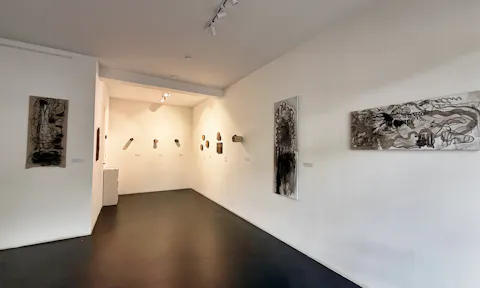
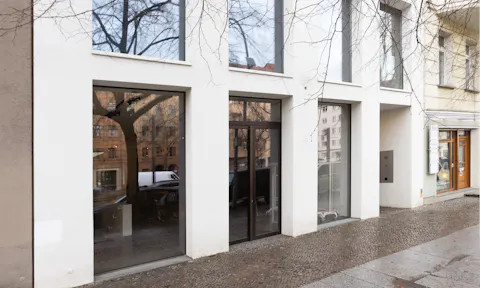
The largest selection of short term rental spaces in the world

Why rent an Art Gallery venue in Berlin, Germany?

Choosing the right location for retail success is paramount, especially in a vibrant city like Berlin. The right venue not only enhances visibility but also allows a brand to engage and connect directly with its target audience. When considering the idea of renting an art gallery venue in Berlin, the benefits stretch far and wide, providing an excellent opportunity to showcase creativity and build a strong brand presence.

One of the most significant advantages of renting a retail space, particularly an art gallery, is the access to foot traffic. Berlin is a cultural hub, attracting tourists, art lovers, and locals alike. Hosting an exhibition or art event in a well-situated gallery can draw in large crowds, allowing brands to reach potential customers who may not have encountered them otherwise. This foot traffic translates into a greater chance of sales and brand loyalty, as visitors experience the art and the story behind it firsthand.

When brands choose to establish themselves in a targeted area like Berlin, they are not only gaining physical space but also positioning themselves within a community of creatives, artists, and entrepreneurs. This environment can enhance brand visibility and foster relationships with other businesses. Collaborating with nearby shops or galleries can lead to mutually beneficial marketing strategies, further amplifying a brand's reach within the local market. The influx of networking opportunities in such vibrant commercial areas can also lead to partnerships that may enhance the overall business proposition.

Moreover, renting an art gallery venue in Berlin offers scalability that is essential for many businesses. The ability to rent spaces by the day, week, or month allows brands a unique flexibility to test concepts, experiment with different art styles or themes, and gauge customer reactions without a long-term commitment. This approach minimizes risk while providing valuable insights into customer preferences, ultimately guiding future business decisions.

The strategic advantages of a well-located retail store cannot be understated. Greater visibility leads to increased sales potential, as a vibrant atmosphere encourages spontaneity in purchases. Art galleries in Berlin can tap into event-driven traffic, attracting people during art shows, festivals, and cultural events that breathe life into the city. This dynamic environment proves beneficial for brands that want to maintain relevance and capitalize on the fluctuating demographics that the city attracts.

In conclusion, renting an art gallery venue in Berlin offers numerous retail store rental benefits, including enhanced customer engagement, strategic positioning, and the opportunity to collaborate within a thriving artistic community. The flexibility in rental terms allows businesses to grow and adapt, testing concepts in an innovative and artistic environment. With the right gallery space, brands can not only showcase their work but also create lasting connections with their audience, making it a smart choice for any retail venture looking to establish a name in this iconic city.

How much does it cost to rent an Art Gallery venue in Berlin, Germany?

Understanding the costs associated with renting an art gallery venue in Berlin is essential for any artist or curator looking to showcase their work effectively. Berlin, known for its vibrant art scene, draws a myriad of local and international artists, making it crucial to grasp the nuances of retail rental prices in this dynamic city.

Rental costs for art gallery spaces in Berlin can vary significantly based on location, size, and traffic patterns. In popular districts such as Mitte or Kreuzberg, rental prices can range from 25 to 40 euros per square meter per month. For instance, a modest 100 square meter gallery space in these high-traffic areas can set you back anywhere from 2,500 to 4,000 euros monthly. Quite the contrast is seen in less popular areas, where rental prices may dip to as low as 10 to 20 euros per square meter. It's important to consider that while the lower rates may be tempting, the foot traffic and visibility of your gallery may also decrease, impacting your overall success.

Multiple factors influence retail rental costs in Berlin. The location is perhaps the most significant; galleries situated in trendy neighborhoods or near major tourist attractions can command higher prices due to increased foot traffic and visibility. Store size also plays a crucial role; larger spaces typically incur higher monthly fees, alongside additional costs for utilities that can add upwards of 200 to 500 euros depending on usage. Taxes and maintenance fees are also additional expenses to be factored into the overall cost.

Market demand also affects rental prices in Berlin. Areas that are currently experiencing a surge in artistic popularity may see increased competition, driving prices higher. Events like Berlin Art Week or the gallery weekend can affect demand, making it prudent to align your rental agreement with these key dates for maximum exposure.

When planning your budget, it is crucial to account for all potential costs. In addition to the base rent, potential renters should consider asking about security deposits, which can equal one to three months' rent, as well as ongoing maintenance fees, which may not be included in the base rental agreement.

For anyone considering renting an art gallery venue in Berlin, setting a clear budget is vital. Begin by researching different neighborhoods to find the right fit that balances cost, foot traffic, and size. Comparing options and reaching out to local real estate experts can also provide invaluable insights into current market trends and hidden gems. It is essential to take your time in the decision-making process to ensure that you maximize your investment while showcasing your art effectively.

Benefits of leasing an Art Gallery venue in Berlin, Germany?

Benefits of Leasing an Art Gallery Venue in Berlin, Germany

Leasing commercial spaces like art galleries has become an increasingly popular choice for artists, curators, and businesses in the vibrant city of Berlin. This cost-effective and flexible solution offers a myriad of benefits for those looking to showcase art or host events without the long-term commitment and financial burden of purchasing property. With Berlin's rich artistic landscape and diverse audiences, the advantages of leasing an art gallery can be transformative for one's artistic or business venture.

One of the most compelling reasons to lease an art gallery venue is the opportunity to access prime real estate in high-demand areas of Berlin. Purchasing such properties can often cost millions, putting them out of reach for independent artists or emerging businesses. By leasing, individuals can exhibit their work and host events in trendy neighborhoods like Mitte or Kreuzberg, where foot traffic and visibility can drive attendance and sales. This grants access to markets that would otherwise be inaccessible, providing a critical edge in a competitive scene.

Leasing also offers immense scalability. For galleries or event organizers that are just starting or looking to expand their reach, the ability to lease spaces based on need allows for flexibility. An art gallery can lease a venue for a specific exhibition, a pop-up event, or an entire season, adjusting operations to accommodate growing or changing demands. This flexibility is essential in the dynamic market of art, where trends can shift rapidly.

Another significant advantage of leasing art gallery venues in Berlin is the potential for maintenance or infrastructure support often included by landlords. Many commercial leases come with provisions that take care of building upkeep, utilities, and repairs, allowing lessees to focus solely on their creative enterprise. This setup can save a considerable amount on operational costs while ensuring the venue remains in optimal condition for exhibitions and events.

When it comes to event spaces, leasing models are incredibly versatile. Art galleries can be rented by the hour or day, with prices typically ranging from €100 to €10,000 depending on size, location, and amenities offered. This pricing structure allows businesses and artists to select an option that best fits their budget and objectives, making the art scene in Berlin more accessible than ever.

However, before committing to a lease, it is vital to assess market trends, calculate total costs, and ensure the lease aligns with specific goals. Understanding the local art market and demographic trends can significantly influence the success of an exhibition or event. Proper financial calculations will help avoid unforeseen costs, while ensuring the chosen location adequately serves the intended audience will be key to optimizing engagement and sales.

In summary, leasing an art gallery venue in Berlin presents numerous advantages, including access to prime locations, scalability, and reduced overhead costs resulting from landlord support. By embracing these benefits, artists and businesses can enhance their visibility and connect more deeply with audiences, forging vital relationships that can propel their careers or ventures to new heights. Exploring the possibilities of leasing is a strategic move for anyone looking to navigate the dynamic and exciting world of art in Berlin.

What are the most popular neighborhoods for renting an Art Gallery venue in Berlin, Germany?

When considering renting an art gallery venue in Berlin, it is essential to understand how different neighborhoods cater to specific audiences and influence the success of your business. Berlin is a city rich in culture, with diverse demographics and significant market trends that shape the effectiveness of artistic endeavors. Certain areas thrive as creative hubs filled with galleries, exhibiting the vibrant local art scene, while others serve as prestigious locations attracting affluent clientele.

The most popular neighborhoods for art galleries in Berlin include Mitte, Kreuzberg, Friedrichshain, and Prenzlauer Berg. Mitte, in particular, is the heart of Berlin's art scene, attracting an international crowd and established collectors. The presence of prominent landmarks like Museum Island and the Berlin Cathedral contributes to the consistent foot traffic, making it ideal for showcasing art. In this area, foot traffic can reach thousands on weekends, particularly near major attractions and shopping streets.

Kreuzberg, known for its alternative and avant-garde vibe, is another excellent spot for art galleries that appeal to a younger and more progressive audience. With a strong community of creators and a burgeoning art market, this area offers a unique platform for innovative exhibitions. Foot traffic in Kreuzberg can exceed ten thousand visitors on busy weekends, especially near iconic locations like the East Side Gallery.

Friedrichshain, adjacent to Kreuzberg, provides a vibrant atmosphere for art spaces, particularly given its proximity to nightlife and cultural events. This neighborhood is home to numerous creative studios and alternative spaces, making it an attractive option for emerging artists looking to gain visibility. Foot traffic varies but can be considerable near popular venues and public transport hubs.

Prenzlauer Berg is perfect for art galleries targeting families and upscale clients. Known for its charming streets and proximity to parks, this neighborhood attracts a mix of young professionals and families seeking culture and leisure. Foot traffic in this area is robust, especially around popular markets and cultural events.

When evaluating neighborhood profiles for renting an art gallery venue, consider key factors such as nearby landmarks, existing competition, and demographic trends. Look for areas with vibrant cultural scenes and ensure that you assess the expected return on investment against the cost of rental spaces. This balance is vital for maintaining financial stability while attracting foot traffic.

Overall, Berlin's diverse neighborhoods offer various advantages for art galleries. By understanding the unique character of each area and its potential audience, gallery owners can strategically position themselves in prime locations that foster creativity and community engagement.

Steps involved in planning an Art Gallery venue in Berlin, Germany

Planning an art gallery venue in Berlin, Germany, requires careful consideration and a strategic approach to ensure success. The first step is to identify the purpose of the space. Understanding whether the gallery will feature contemporary art, local artists, or themed exhibitions will influence many later decisions. This clarity helps in defining the gallery's identity and attracts the right audience.

Next, understanding the target audience is crucial. Berlin is known for its vibrant art scene, catering to diverse demographics, from art aficionados to casual visitors. Conducting market research will evaluate demand and competition in various neighborhoods, helping to pinpoint the best locations for commercial spaces. Favorable locations often have high foot traffic, are culturally relevant, and resonate with the intended audience.

Setting a realistic budget is the next key step. This includes not only the cost of renting spaces for business growth but also expenses related to renovations, utilities, and initial marketing efforts. Preparing an inventory of art pieces and setting prices will also be paramount to establishing your gallery’s financial framework. Consideration of rental costs in different districts, along with anticipated revenue, will guide financial decisions.

Marketing and promotion follow, with a focus on creating awareness about the gallery and events. Utilizing social media platforms, collaborations with local artists, and participation in community events can significantly enhance visibility. Hiring staff who are knowledgeable about art and customer service is vital in providing an enriching experience for visitors.

Creating an immersive experience for customers can set your gallery apart. This may involve interactive installations, guided tours, workshops, or community-focused events that foster engagement. It is also essential to manage payment transactions securely, ensuring that both physical and online purchase options are smooth and customer-friendly.

Accessibility plays a significant role in location selection. Ensuring the gallery is reachable via public transport, has nearby parking options, and is located close to main attractions can increase footfall. Additionally, amenities like cafes or shops nearby can make visits more appealing and convenient for customers.

Once operational, analyzing data regarding visitor numbers, sales, and demographics can provide insights into improving offerings and enhancing the customer experience. This continuous evaluation enables effective decision-making and strategic direction for future exhibitions.

In conclusion, consulting local real estate experts can help identify the most suitable areas for your gallery. Reviewing lease agreements carefully ensures clarity on terms and obligations. Aligning location choices with broader business goals is essential for establishing a successful art gallery. By focusing on these strategic steps, you can create a vibrant art space that contributes positively to Berlin's artistic community.

How long should you rent an Art Gallery venue in Berlin, Germany to achieve your goals?

When considering how long to rent an art gallery venue in Berlin, the optimal lease length largely depends on the type of business, its specific goals, and the intended use of the space. For art galleries, the rental duration can vary greatly based on the exhibition plans, audience engagement strategies, and overall business vision.

Short-term leases, ranging from a few days to one year, are often ideal for pop-up galleries or temporary exhibitions. These flexible arrangements provide artists and curators with the opportunity to showcase their work for a limited time, creating a sense of urgency and excitement among potential visitors. They are also perfect for testing new markets or launching new projects without the burden of a long-term commitment. This approach allows businesses to adapt quickly, ensuring they respond effectively to audience demand and market trends.

On the other hand, longer leases, typically spanning three to five years, are more suited for art galleries seeking stability and a loyal customer base. A longer-term commitment can help establish a gallery's brand, create familiarity among repeat visitors, and allow for more comprehensive planning for exhibitions and events. This duration enables businesses to build deeper relationships with artists, collectors, and the local community, fostering a vibrant cultural presence.

In recent years, flexible lease options have gained traction, allowing art galleries and other businesses to navigate the evolving landscape without the constraints of traditional leases. These agreements can provide an adaptable framework that accommodates changing needs and market conditions, making it easier to pivot strategies as necessary.

When evaluating how long to rent an art gallery venue in Berlin, it is crucial to assess your business goals, understand current market trends, and carefully review potential lease agreements. Aligning your rental duration with your organization's objectives can significantly enhance your chances of success. Take the time to consider your target audience, the nature of your exhibitions, and the resources available to you. A well-thought-out approach to planning rental timelines can position your gallery for ongoing growth and impact in the bustling art scene of Berlin.

How can xNomad help your brand successfully launch an Art Gallery venue in Berlin, Germany?

Launching an art gallery venue in a vibrant city like Berlin requires strategic planning, careful execution, and a partner with local expertise. xNomad stands out as an ideal choice for brands looking to make an impact in this dynamic market. With its comprehensive services and deep understanding of retail spaces, xNomad enables brands to seamlessly navigate the complexities of launching an art gallery, ensuring a successful presence in the heart of Berlin.

One of the primary reasons to choose xNomad is its versatility and flexibility. The company offers a range of space booking options, allowing brands to secure venues for days, weeks, months, or even years, making it easier to align with the specific needs of your art exhibition. This adaptability is a crucial factor for brands wanting to experiment with different concepts and engage diverse audiences.

xNomad acts as a full-service agency, bridging the gap between brands and landlords. Their dedicated team provides services like location scouting, where they help identify the perfect venue that complements the gallery's artistic vision and target audience. Once the location is chosen, xNomad takes care of concept design, ensuring the exhibition space not only showcases the artwork effectively but also creates an immersive experience for visitors.

In addition to design, xNomad simplifies the process further by offering furnishing and staffing solutions. Their move-in-ready spaces eliminate the hassle of procurement and logistics, allowing artists and curators to focus on what they do best—creating and connecting with their audience. This end-to-end retail solution streamlines the entire gallery launch process and sets the stage for a memorable experience.

Operating on a global scale, xNomad is a reliable partner for brands aiming to scale locally or internationally. Their extensive network and partnerships empower them to revitalize urban areas, turning them into creative hubs. By creating innovative pop-up experiences, xNomad contributes to the cultural landscape of Berlin and enhances community engagement.

xNomad has a proven track record of collaborating with trusted global brands, further solidifying its reputation as a premier pop-up retail partner. This experience translates into insights and strategies that benefit new launches, ensuring that exhibitions not only attract visitors but also resonate meaningfully with diverse communities.

Ultimately, xNomad's mission is to connect brands with the perfect spaces while delivering exceptional results. Their commitment to trust, innovation, and simplicity guarantees excellent communication throughout the process, fostering a collaborative environment that leads to successful art gallery launches. By choosing xNomad, brands can confidently engage their audiences and contribute to the artistic tapestry of Berlin, making a lasting impression in this culturally rich city.

FAQ

Q: How can brands maximize foot traffic when renting an art gallery venue in Berlin?

A: Brands can maximize foot traffic by choosing art gallery venues in high-traffic areas like Mitte or Kreuzberg, aligning rental periods with major events like Berlin Art Week, and collaborating with local businesses for cross-promotions. For example, hosting an exhibition during a popular festival can draw larger crowds.

Q: What factors should be considered when comparing art gallery venues in Berlin?

A: When comparing art gallery venues in Berlin, consider location, rental cost, foot traffic, and the target audience. Venues in Mitte may offer higher visibility but at a premium cost, while those in Kreuzberg might appeal to a younger, more alternative crowd. Evaluate each venue's potential to meet your specific goals.

Q: How do rental costs for art gallery venues in Berlin vary by neighborhood?

A: Rental costs for art gallery venues in Berlin vary significantly by neighborhood. In high-demand areas like Mitte, prices range from 25 to 40 euros per square meter, while less popular areas may charge 10 to 20 euros. For instance, a 100 square meter space in Mitte could cost 2,500 to 4,000 euros monthly.

Q: What are the legal considerations when renting an art gallery venue in Berlin?

A: Legal considerations include understanding lease terms, potential maintenance fees, and local zoning laws. Ensure the lease agreement clearly outlines responsibilities for repairs and utilities. Consulting with a local real estate expert can help navigate these legalities and avoid potential pitfalls.

Q: How can brands effectively market their art gallery exhibitions in Berlin?

A: Brands can market their exhibitions by leveraging social media, collaborating with local artists, and participating in community events. Engaging with Berlin's vibrant art scene through partnerships and promotions can enhance visibility. For example, hosting a launch event with influencers can attract a wider audience.

Q: What is the best time of year to rent an art gallery venue in Berlin for maximum exposure?

A: Renting an art gallery venue during Berlin Art Week or the gallery weekend can maximize exposure due to increased art tourism. These periods attract international visitors and art enthusiasts, providing an excellent opportunity for brands to showcase their work to a broader audience.

Q: How does xNomad assist in finding the right art gallery venue in Berlin?

A: xNomad helps brands find the right art gallery venue in Berlin by offering flexible booking options and location scouting services. They provide end-to-end solutions, including concept design and staffing, ensuring a seamless launch. Their expertise in the local market makes them a valuable partner for successful exhibitions.

Q: What are the challenges of renting an art gallery venue in Berlin, and how can they be mitigated?

A: Challenges include high rental costs, competition for prime locations, and legal complexities. Mitigation strategies involve setting a clear budget, conducting thorough market research, and seeking expert advice. For example, collaborating with local artists can enhance appeal and offset costs through shared promotions.

Q: How can brands ensure their art gallery venue in Berlin aligns with their business goals?

A: Brands can ensure alignment by clearly defining their target audience, setting measurable objectives, and choosing a venue that matches their brand identity. Regularly reviewing performance metrics like visitor numbers and sales can help adjust strategies to meet business goals effectively.

Q: What are the benefits of short-term versus long-term art gallery rentals in Berlin?

A: Short-term rentals offer flexibility for pop-up events and market testing, while long-term rentals provide stability and brand establishment. For instance, a short-term lease allows for experimentation with different art styles, whereas a long-term lease supports building a loyal customer base.

Q: How does seasonality affect the success of art gallery venues in Berlin?

A: Seasonality affects success by influencing foot traffic and event attendance. Summer months and major art events like Berlin Art Week see higher visitor numbers, making them ideal for exhibitions. Planning around these peak times can enhance visibility and engagement.

Q: What steps should be taken to execute a successful art gallery launch in Berlin?

A: To execute a successful launch, define your gallery's purpose, understand your target audience, set a realistic budget, and develop a strong marketing strategy. Collaborate with local artists and ensure the venue is accessible. For example, hosting an opening event with live performances can attract diverse visitors.

Q: What is a pop-up gallery and how does it work in Berlin?

A: A pop-up gallery is a temporary exhibition space that allows artists to showcase their work for a limited time. These spaces are often set up in high-footfall areas to attract more visitors and generate buzz. Artists can test new concepts and engage directly with potential buyers, typically operating for a few days to a few weeks.

Q: How do I find pop-up retail gallery space near me in Berlin?

A: You can search for pop-up retail gallery spaces in Berlin through online platforms like xNomad or local real estate listings. Social media and community boards also feature available spaces. Additionally, connecting with local artist networks can lead to leads on temporary exhibitions.

Q: What types of spaces are available for pop-up galleries in Berlin?

A: In Berlin, available spaces for pop-up galleries can range from vacant storefronts and warehouses to cafes and community centers. Many of these locations offer flexible terms and unique atmospheres, making them ideal for creative showcases. For example, some venues on xNomad specialize in art and culture events.

Q: How far in advance should I book a pop-up gallery space in Berlin?

A: It’s advisable to book your pop-up gallery space in Berlin at least two to three months in advance to secure the best locations. This allows for adequate planning and promotion of your project. Popular venues may book even earlier, especially during busy seasons.

Q: Can I rent a pop-up gallery space for just one day or one weekend in Berlin?

A: Yes, many pop-up gallery spaces in Berlin offer short-term rentals for just one day or one weekend. This flexibility is ideal for specific events or exhibitions. Some platforms, like xNomad, cater specifically to artists needing brief, impactful showcases.

Q: Do I need a permit to run a pop-up gallery in Berlin?

A: Yes, you need a permit to run a pop-up gallery in Berlin. This is typically required to ensure compliance with local regulations regarding business activities and space usage. It’s important to check with the local municipality for specific permit types related to art exhibitions.

Q: How do I obtain a pop-up gallery permit in Berlin?

A: To obtain a pop-up gallery permit in Berlin, you must apply through your local district office or the Verwaltung für Wirtschaft und Ordnungsangelegenheiten (Department for Economy and Regulatory Affairs). Be ready to provide details about your gallery project, including its location and duration.

Q: How long does it take to get a pop-up gallery permit in Berlin?

A: The processing time for a pop-up gallery permit in Berlin typically ranges from one to four weeks. Factors that may affect the timeline include the complexity of your application and current application volume at the district office.

Q: Can I operate a pop-up gallery in Berlin without a permit?

A: No, you cannot operate a pop-up gallery in Berlin without a permit. Doing so can lead to fines or legal issues, particularly if you're using public or commercial spaces which are strictly regulated by local laws.

Q: Do I need insurance for a pop-up gallery in Berlin?

A: Yes, obtaining insurance for a pop-up gallery in Berlin is advisable. It can protect you from liability claims and damages during the exhibition, and some venues may even require proof of insurance before allowing you to set up.

Q: Are there any specific permit requirements I should know about before booking a space for a pop-up gallery in Berlin?

A: Yes, specific permit requirements may vary based on the location and type of space chosen for your pop-up gallery in Berlin. Before booking, check if you need additional licenses for selling artworks or if there are zoning laws that affect your gallery setup.

Q: Does the venue handle permits, or is that my responsibility for a pop-up gallery in Berlin?

A: Generally, the responsibility for obtaining permits for a pop-up gallery in Berlin lies with you, the organizer. However, some venues may assist or provide guidance through the permitting process, so it’s essential to discuss this with them during your initial conversations.

Q: What are some creative display ideas for a pop-up gallery in Berlin?

A: Use vertical space by hanging art and products from the ceiling or walls to create an immersive experience. Incorporating local elements, like recycled materials or street art, can enhance your theme. For example, a gallery in Berlin could showcase some local artists alongside unique product displays.

Q: How can I design an eye-catching pop-up stand for a gallery in Berlin on a budget?

A: Utilize DIY solutions like repurposed furniture and handmade signage to keep costs low while maintaining creativity. Bright colors and bold graphics can also attract attention without breaking the bank. Consider using a simple wooden palette as a base for display to give it a rustic feel.

Q: How do I make my pop-up gallery in Berlin social media friendly?

A: Create visually appealing areas and backdrops specifically designed for photo opportunities, encouraging visitors to share their experiences. Use a unique hashtag related to your gallery to promote engagement. For instance, set up a mural that reflects the trendy Berlin vibe as a backdrop for photos.

Q: What are some pop-up gallery table display ideas for Berlin?

A: Incorporate tiered displays to add dimension and highlight various products or artworks. Mixing textures—like combining wood, glass, and metal—can make your table visually appealing. A minimalist design with candles and plants can also create an inviting atmosphere in a Berlin gallery.

Q: What are the most trending pop-up gallery display ideas right now in Berlin?

A: Interactive displays that involve the customer, such as AR experiences or participatory art pieces, are highly popular. Sustainable materials for installations are also a trend, resonating well with Berlin's eco-conscious audience. For example, using reclaimed wood for display setups aligns with both style and sustainability.

Q: What furniture or fixtures do I need to set up a pop-up gallery in Berlin?

A: Essential items include display tables, shelving units, seating for visitors, and a sign for branding. Portable fixtures like foldable tables and customizable display walls are particularly useful for adaptability. xNomad offers modular display solutions that can easily fit the needs of any gallery setup.

Q: What are the first steps to starting a pop-up gallery in Berlin?

A: The first steps involve defining your concept, setting a budget, and identifying a target audience. Planning your marketing strategy and sourcing supplies is also essential. Engaging with local community and online platforms can enhance visibility. For instance, explore partnerships with local artists to attract foot traffic.

Q: Do I need a business plan for a pop-up gallery in Berlin?

A: Yes, creating a business plan for a pop-up gallery is vital for organizing your ideas and strategies. It helps outline your objectives, financial projections, and marketing plans. A well-structured plan can also assist in securing potential investors or partnerships. Many successful pop-ups cite a solid business plan as a cornerstone of their success.

Q: What should I look for when choosing a pop-up gallery location in Berlin?

A: When choosing a location for a pop-up gallery, consider foot traffic, visibility, and proximity to complementary businesses. The surrounding demographics and local culture greatly impact potential audience engagement. To maximize success, seek areas renowned for art events or cultural significance, such as Mitte or Kreuzberg.

Q: What are the key benefits of running a pop-up gallery in Berlin?

A: Running a pop-up gallery in Berlin offers unique advantages like low operational costs and enhanced brand visibility. It allows for experimentation with different concepts and direct engagement with customers. A notable perk is leveraging Berlin’s vibrant art scene to attract a diverse clientele eager for fresh experiences.

Q: What are the typical challenges faced during the design process for a gallery project in Berlin?

A: Common challenges in the design process for a gallery project in Berlin include balancing aesthetic appeal with functional space utilization. Additionally, navigating local zoning laws and understanding the specific needs of the artistic community can complicate the design. For instance, engaging with local artists may provide insights that shape the gallery’s layout and exhibit spaces.

Q: How can community engagement be enhanced for a gallery project in Berlin?

A: Enhancing community engagement for a gallery project in Berlin involves hosting interactive events and programs that invite local participation. Collaborating with nearby schools, art collectives, and cultural organizations can foster a sense of ownership among residents. A successful example is the monthly art walks that encourage local residents to explore and connect with the gallery’s exhibits.

Q: What sustainable practices can be integrated into a gallery project in Berlin?

A: Sustainable practices for a gallery project in Berlin can include using recycled materials, implementing energy-efficient lighting, and incorporating green spaces into the design. Additionally, focusing on water conservation techniques within gallery bathrooms and landscaping can further enhance sustainability. For example, utilizing rainwater harvesting systems can reduce water usage significantly.

Q: How can a gallery project in Berlin attract a diverse audience?

A: To attract a diverse audience for a gallery project in Berlin, it’s important to curate exhibits that represent various cultures and perspectives. Offering multilingual guides and incorporating community feedback into exhibitions can also broaden appeal. For instance, hosting themed events that celebrate local holidays or cultures can encourage more engagement from different demographic groups.

Q: What should I consider when planning a gallery project for my brand in Berlin?

A: When planning a gallery project for your brand in Berlin, consider your target audience, location, and timing. Ensure the gallery reflects your brand identity and engages visitors effectively. Also, think about logistical details such as permits and staffing. Having a clear theme can attract more attendees, as seen in successful exhibits by xNomad.

Q: How do I choose the right gallery format for my brand in Berlin?

A: To choose the right gallery format for your brand in Berlin, assess your product and audience. A pop-up storefront could be ideal for immersive experiences, while a market stall may suit smaller, more casual presentations. Evaluate your budget and the duration of the project as well. For instance, xNomad's recent gallery format helped them tailor their approach effectively.

Q: What are the most common mistakes first-time gallery project operators make in Berlin?

A: First-time gallery project operators in Berlin often underestimate the importance of location and marketing. Failing to plan for foot traffic and not engaging with the local community can lead to low attendance. Additionally, poor budgeting can jeopardize the project's success. Successful operators frequently analyze these aspects to improve, as evidenced by xNomad's experience in past galleries.

Q: What are the best locations and setups for outdoor gallery pop-up shops in Berlin?

A: The best locations for outdoor gallery pop-up shops in Berlin include popular parks like Tempelhofer Feld and trend-setting neighborhoods like Kreuzberg. Consider using portable displays or tents that can enhance visibility and provide shelter. By choosing sites with high foot traffic, such as near popular cafes or markets, you can attract more visitors to your gallery.

Q: How do I run a gallery pop-up shop outside or on a trail/market route in Berlin?

A: To run a gallery pop-up shop outside in Berlin, scout for bustling market routes like those at Mauerpark or the Sunday flea market in Boxhagener Platz. Set up displays that invite interaction, and consider logistics such as weather protection and power sources for lighting. Engaging local artists can also draw in crowds while showcasing various styles.

Q: What should I consider when doing a gallery pop-up shop at an outdoor event in Berlin?

A: When organizing a gallery pop-up shop at an outdoor event in Berlin, be mindful of permits, expected foot traffic, and potential competitor locations. Ensure your setup is artistically appealing and aligns with the event’s vibe to attract interest. An example is participating in the Berlin Art Week, which offers a platform for maximum exposure.

Q: What equipment do I need for a pop-up coffee shop project in Berlin?

A: For a pop-up coffee shop project in Berlin, essential equipment includes espresso machines, grinders, brewing devices, and a reliable point-of-sale system. Additionally, you'll need tables, chairs, and serving essentials like cups and napkins. Having portable equipment can also enhance flexibility. For instance, a high-quality espresso machine can cost between €2,000 and €10,000 depending on features.

Q: What are the best locations for a pop-up coffee shop project in Berlin?

A: The best locations for a pop-up coffee shop project in Berlin include busy pedestrian zones like Alexanderplatz, near popular markets such as Markthalle Neun, or at cultural events in parks. Consider high foot traffic areas, especially those frequented by students and professionals. For example, a location near the East Side Gallery attracts thousands of visitors daily.

Q: How do I promote a pop-up coffee event on social media for a project in Berlin?

A: To promote a pop-up coffee event on social media for a project in Berlin, use visually appealing posts featuring your offerings, share stories behind your coffee, and leverage local hashtags. Engaging with the Berlin community through posts and live updates can generate buzz. For instance, using hashtags like #BerlinCoffee and tagging local influencers can dramatically increase exposure.

Q: How do I start a successful pop-up coffee shop project in Berlin?

A: To start a successful pop-up coffee shop project in Berlin, conduct thorough market research, secure necessary permits, and curate a unique menu that appeals to locals. Building partnerships with local suppliers and utilizing social media for marketing can enhance your visibility. For example, many successful pop-ups use platforms like xNomad to find ideal locations and customers.

Découvrez nos espaces Scopri i nostri spazi Ontdek onze ruimtes 探索我们的空间

Read our success stories