Locations
Explore locations
Find pop-up spaces in leading global and local retail cities.


Pop Up Malls For Rent in Berlin, Germany

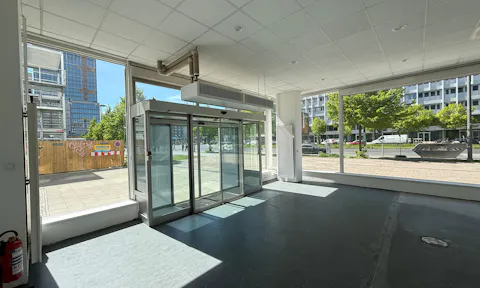
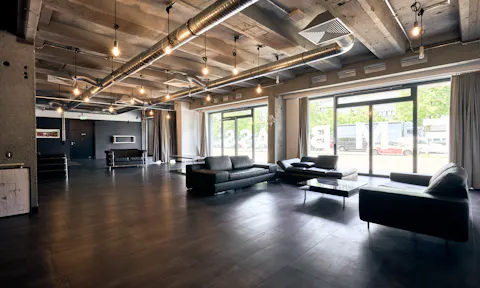
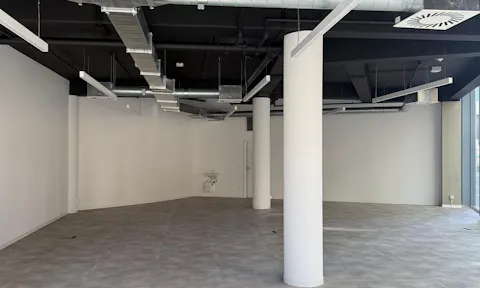
- Art Studios & Creative Spaces in Berlin, Germany |
- Cheap Space in Berlin, Germany |
- Cheap Storefront in Berlin, Germany |
- Corporate Event Venue in Berlin, Germany |
- Fitting Rooms in Berlin, Germany |
- Shopping Mall Space & Shopping Centre Space in Berlin, Germany |
- Small Storefront in Berlin, Germany |
- Storefront With Kitchen in Berlin, Germany
Why rent a Shopping Mall space in Berlin, Germany?
When it comes to launching or expanding a retail business, the choice of location is crucial for success. Renting a shopping mall space locally offers unique advantages that can notably impact a brand's growth trajectory. The dynamic retail landscape in Berlin presents opportunities for brands to not only reach their target audience but also to thrive amid a bustling metropolis.
One of the primary benefits of renting a retail space in a shopping mall is the direct access to footfall. Malls are designed to attract shoppers, making them ideal locations for businesses looking to increase their visibility and customer interactions. By positioning your brand in a popular shopping center in Berlin, you open the doors to a diverse and buzzing customer base. This translates to increased sales potential, as higher passing trade often leads to higher conversion rates.
Building a brand presence is another critical advantage of renting retail spaces in a thriving area. Being situated within a well-frequented shopping mall allows your brand to benefit from the positive associations that come with being among other reputable retailers. Customers are more likely to trust a brand that has a physical presence in a busy commercial area, which can bolster brand credibility and foster customer loyalty.
The strategic advantages of being in a energetic commercial area cannot be overstated. Shopping malls in Berlin are often surrounded by a variety of businesses, creating a rich ecosystem that encourages networking and collaboration. By establishing your retail store alongside other brands, you benefit from shared foot traffic and the opportunity to engage with neighboring businesses. This connectivity can lead to exciting partnership opportunities, promotions, and events that further enhance your brand’s visibility.
Renting a shopping mall space provides businesses with the flexibility and scalability necessary to respond to market demands. Unlike traditional long-term leases, retail spaces can often be rented for shorter terms, allowing businesses to test concepts in real-time without a considerable financial commitment. This flexibility enables brands to adapt their strategies according to consumer feedback and market trends before making long-term investments.
In conclusion, renting a shopping mall space in Berlin offers significant benefits that contribute to retail success. The potential for increased foot traffic, enhanced brand presence, strategic advantages in a commercial hub, and the flexibility to test concepts make it an attractive option for businesses. Embracing the retail store rental benefits is a smart move for brands looking to make an impactful entry into the Berlin market while laying the groundwork for future growth.
How much does it cost to rent a Shopping Mall space in Berlin, Germany?
When planning a business, understanding retail rental costs is crucial for financial success. The cost to lease a shop can considerably vary depending on various factors such as location, size, and market demand. For entrepreneurs looking to rent a shopping mall space locally, it is essential to grasp the nuances that influence rental prices.
Berlin is known for its buzzing shopping scene, but rental prices differ markedly between city centers and suburban areas. Typically, prime shopping locations in central districts like Mitte or Charlottenburg command higher rents due to their high footfall and visibility. For instance, spaces in these areas can range from 40 to 100 euros per square meter per month, depending on the mall's proximity to popular attractions and public transportation hubs. In contrast, suburban locations, while offering lower foot traffic, can have rental prices as low as 15 to 30 euros per square meter.
Several factors contribute to these varying rental costs. Firstly, location is paramount. Spaces situated in high-traffic zones tend to attract higher rents due to greater consumer exposure. In addition, store size plays a significant role; larger spaces may qualify for a lower price per square meter, yet the overall expense can still be substantial. Market demand also affects pricing—during peak seasons or economic booms, landlords may raise prices to maximize profits, while downturns can lead to more competitive rates.
When evaluating rental prices, consider additional costs that may be incurred. Utilities, deposits, taxes, and maintenance fees can add considerable expenses to the overall budget. For instance, on top of the base rent, businesses typically allocate approximately 20 percent of their total rental cost for utilities and maintenance. Beyond that, security deposits can range from one to three months' rent, requiring careful budgeting.
For those aiming to rent shopping mall space in Berlin, practical steps can lead to informed decisions. Firstly, set a realistic budget based on initial research, ensuring to account for additional expenses. Comparing options across different neighborhoods can reveal potential savings or benefits that come with more expensive locations. Finally, consulting local real estate experts can provide insights into market trends and help negotiate favorable lease terms.
Understanding the dynamics of retail store rental prices in Berlin is key for any business considering a presence in this bustling market. With the right knowledge and approach, entrepreneurial success in renting a mall space can be achieved.
Benefits of Leasing a Shopping Mall Space in Berlin, Germany
Leasing commercial spaces, particularly shopping mall spaces in lively cities like Berlin, has emerged as a cost-effective and flexible solution for businesses and individuals alike. With Berlin being a central hub for commerce and culture in Europe, having a presence in its shopping malls can substantially enhance visibility and accessibility. According to recent studies, leasing retail spaces versus purchasing can save businesses up to 30% in upfront costs, allowing them to allocate funds more effectively towards marketing and operational needs.
One of the primary benefits of leasing is access to high-demand areas that would otherwise require millions to purchase. Shopping malls in Berlin attract a diverse customer base, making them prime locations for brands. Trends indicate that foot traffic in these spaces can add substantial revenue, as shoppers are already inclined to spend when they visit shopping centers. On top of that, leasing provides flexibility that purchasing cannot offer. Companies can choose from short-term leases lasting days or weeks for pop-up shops or longer agreements spanning months or years, which is especially valuable for businesses seeking to expand or test new markets without a long-term commitment.
For growing businesses looking to scale, leasing provides an opportunity to adjust their space needs in real time. As companies increase their operations, they can easily negotiate additional square footage or upgrade to a different space that better suits their needs. This adaptability can be crucial, especially in a dynamic market like Berlin, where consumer preferences often shift rapidly. Many landlords include maintenance and infrastructure support in their leases, which means businesses can focus on their core operations without worrying about the upkeep of the property.
Leasing event spaces is another advantageous option in Berlin, where both corporate gatherings and social events thrive. Such spaces can be rented by the hour or day, with prices varying from 100 to 10,000 euros based on size and amenities. This pricing structure allows companies to host everything from small meetings to large product launches without significant overhead costs associated with owning a venue.
However, potential leasers must carefully assess market trends and calculate total costs to ensure that their lease aligns with their specific goals. Factors like location desirability, competitors' presence, and seasonal fluctuations should all influence the decision-making process. Companies should also consider the lease's terms and conditions, including renewal options and any potential escalations in rent.
Ultimately, the benefits of leasing commercial spaces in Berlin, particularly shopping mall spaces, make it an attractive option for brands looking to thrive in a competitive environment. By using flexibility, scalability, and access to prime locations, businesses position themselves favorably to meet their objectives and capitalize on market opportunities.
What are the most popular neighborhoods for renting a Shopping Mall space in Berlin, Germany?
Berlin, known for its vibrant culture, diverse population, and entrepreneurial spirit, offers a range of neighborhoods that are particularly advantageous for renting shopping mall spaces. The success of retail businesses often hinges on selecting the right location, influenced by local culture, demographics, and market trends. Each neighborhood brings its own unique characteristics and foot traffic patterns that can notably impact a brand's visibility and sales.
Popular neighborhoods such as Mitte serve as the heart of Berlin, attracting a mix of locals and tourists alike. It is a creative hub, where showrooms and pop-up spaces benefit from the area's artistic vibe and historic landmarks, drawing significant passing trade, especially along the shopping streets like Friedrichstrasse and Unter den Linden. This passing trade can reach upwards of 30,000 visitors on busy days, making it an ideal spot for brands aiming to connect with an engaged audience.
Charlottenburg, with its high-end retail options and luxury boutiques, caters to a more well-off demographic. This neighborhood is home to the famous Kurfürstendamm boulevard, which experiences substantial pedestrian flow, with estimates suggesting over 40,000 people on weekends. Brands targeting luxury consumers can thrive here, given the area's established reputation for upscale shopping, providing a synergistic environment where luxury goods can be effectively marketed.
Another noteworthy area is Kreuzberg, known for its eclectic and youthful vibe. This neighborhood, particularly around Bergmannstraße and Oranienstraße, attracts a hip, creative crowd that is receptive to unique, innovative retail concepts. With an estimated foot traffic of around 20,000 people during peak hours, these streets provide an excellent backdrop for brands focused on streetwear, sustainable fashion, and artisanal products.
Evaluating neighborhood profiles involves considering both the qualitative aspects of the area, such as cultural relevance and community engagement, and quantitative factors like demographic data and foot traffic patterns. It is crucial to balance the costs of renting in these prime areas with the expected returns from traffic and sales. For instance, while locations in Mitte and Charlottenburg may demand higher rents, the potential for increased sales often justifies the investment.
In addition to these neighborhoods, areas such as Prenzlauer Berg and Friedrichshain present viable opportunities for certain retail segments. Prenzlauer Berg's mix of young families and professionals, along with its charming streets lined with boutique shops, offers a friendly environment for lifestyle brands. Meanwhile, Friedrichshain's proximity to universities facilitates a youthful atmosphere conducive to fashion retailers targeting students and young professionals.
Understanding the specific advantages of various locales in Berlin can empower brands to make informed decisions when renting shopping mall spaces. By leveraging local culture and demographics, and monitoring passing trade in these key neighborhoods, businesses can enhance their chances of success in one of Europe's most dynamic retail landscapes.
Steps involved in planning a Shopping Mall space in Berlin, Germany
Planning a shopping mall space in Berlin requires careful consideration and a strategic approach to ensure success. The first key step is to identify the purpose of the space. Understanding whether the mall will focus on luxury goods, everyday shopping, or experiential retail will guide all other decisions.
The next vital step is understanding the target audience. Conducting market research is essential to evaluate demand and competition in various neighborhoods. Identify demographic trends and consumer preferences to tailor offerings effectively. This insight will help in selecting the best locations for commercial spaces, ensuring alignment with potential shoppers.
Setting a realistic budget is important. Consider costs such as rent, utilities, staffing, and marketing. Create a detailed inventory of the products and services to be offered to maintain financial clarity.
Marketing and promotion play a important role in attracting customers. Develop a comprehensive marketing plan that includes both digital and traditional advertising strategies. Ensure that branding aligns with the mall’s vision and speaks directly to the target audience.
Hiring staff is another essential aspect. Ensure that employees are well-trained and capable of delivering exceptional customer service, as they serve as the face of the shopping experience. Their engagement can significantly affect customer retention and brand loyalty.
Creating an immersive experience for customers is vital in today’s competitive retail environment. This can involve interactive installations, engaging events, or unique design elements that capture the essence of the brand.
Managing payment transactions securely is paramount. Implement reliable payment systems that ensure customer data protection while facilitating smooth transactions.
Post-launch, analyzing data is crucial for continuous improvement. Monitor foot traffic, sales patterns, and customer feedback to refine strategies and enhance the shopping experience.
Accessibility, public transport options, and nearby amenities notably impact the success of a shopping mall. Ensure your location is convenient and attractive to your target audience, considering how easily they can travel to the site and what additional benefits the area offers, such as dining and entertainment.
When planning a shopping mall space, consulting local real estate experts can provide valuable insights into market trends and potential pitfalls. Review lease agreements carefully to understand obligations and rights, ensuring that they align with your long-term business goals.
By focusing on these steps to plan a retail store, you can effectively navigate the complexities of launching a shopping mall in Berlin. Incorporating these best practices will not only aid in finding the ideal location but also support business growth and sustainability in a dynamic retail landscape.
How long should you rent a Shopping Mall space in Berlin, Germany to achieve your goals?
When considering how long to rent a shopping mall space in Berlin, it's essential to recognize that the optimal lease length varies based on the type of business, its objectives, and the intended use of the space. Retail brands, event organizers, showrooms, and offices will have different requirements that can greatly influence their rental duration decisions.
Short-term leases, which can range from a few days to a year, are often ideal for pop-up shops or temporary events. These arrangements allow businesses to test new markets, launch products, or create buzz around special promotions without committing to long-term financial obligations. This flexibility is particularly valuable in Berlin, a city that thrives on innovation and seasonal trends. Businesses can cash in on rapid changes in consumer behavior and preferences without being locked into lengthy agreements.
On the other hand, longer leases, typically lasting between three to five years, are more suitable for businesses seeking stability and customer familiarity. These longer durations provide the advantage of establishing a strong brand presence and customer loyalty. For retailers aiming to cultivate ongoing relationships with their clientele, a more extended rental commitment can be beneficial, particularly in a competitive market like Berlin, where footfall and visibility are critical for sustained success.
An emerging trend in the commercial real estate market is the rise of flexible lease options. These agreements are becoming increasingly popular as they allow businesses to adapt to changing market conditions without the burden of long-term commitments. Flexible leases can be tailored to suit different business strategies, making it easier to adjust plans based on performance and market needs.
Ultimately, determining the right rental duration for commercial spaces in Berlin requires careful evaluation of business goals and an understanding of market trends. Businesses should assess whether they are looking for a temporary boost, a long-term establishment, or something in between. Consulting lease agreements and negotiating terms that align with specific objectives can lead to a more successful rental experience.
Planning rental timelines for success involves considering factors such as customer acquisition strategies, market positioning, and overall business growth plans. By aligning the lease length with your goals and the dynamics of the retail environment, you can navigate the complexities of commercial rentals effectively and establish a strong foothold in Berlin's evolving marketplace.
How can xNomad help your brand successfully launch a Shopping Mall space in Berlin, Germany?
How can xNomad help your brand successfully launch a shopping mall space in Berlin, Germany?
Berlin is a buzzing hub for retail innovation and brand experiences, making it an ideal location for brands looking to establish a strong presence in the market. xNomad specializes in providing end-to-end retail solutions, positioning itself as a trusted pop-up retail partner for brands aiming to launch effectively in dynamic urban spaces like shopping malls.
With extensive services that include location scouting, concept design, and marketing, xNomad offers a versatile and flexible approach that bridges the gap between brands and landlords. The company's global presence means that they understand local market nuances, ensuring your brand can effortlessly integrate into Berlin's unique retail landscape. xNomad's ability to provide move-in-ready spaces tailored to your needs simplifies the launch process, allowing you to focus on delivering an exceptional customer experience.
One of xNomad's strengths lies in its commitment to innovation. By staying ahead of retail trends and adopting cutting-edge technologies, xNomad helps brands create memorable and engaging experiences that resonate with consumers. Their comprehensive services include design, furnishing, and staffing, which means you can rely on xNomad to manage all aspects of your pop-up shop, from concept to execution. This dedication to simplicity helps ensure that you can launch quickly and effectively, making the most of your time in a competitive market.
xNomad takes pride in its partnership network, which not only helps brands access prime retail locations but also revitalizes urban areas through innovative pop-up experiences. This collaborative approach nurtures community-building that not only benefits brands but also enhances the local shopping environment, making it more attractive to consumers.
With a proven track record of successful collaborations with trusted global brands, xNomad offers the expertise and reliability necessary for a successful launch. Their focus on excellent communication allows for a hassle-free experience, ensuring that all stakeholders are aligned and informed throughout the project. By choosing xNomad, brands can expect a reliable partner dedicated to connecting them with perfect spaces and delivering exceptional results.
In conclusion, launching a shopping mall space in Berlin becomes an achievable goal with xNomad's comprehensive retail solutions. Their innovative and community-focused approach, combined with a commitment to trust and simplicity, empowers brands to create impactful retail experiences. Collaborating with xNomad means investing in a partnership that prioritizes your brand's success in one of Europe's most exciting markets.
FAQ
Q: What factors should a brand consider when choosing a shopping mall location in Berlin?
A: Brands should evaluate walk-in traffic, demographic alignment, and proximity to competitors when selecting a shopping mall location in Berlin. High-traffic areas like Mitte offer visibility, while neighborhoods like Charlottenburg cater to luxury markets. Understanding these dynamics helps in choosing a location that maximizes brand exposure and sales potential.
Q: How do seasonal trends affect the rental of shopping mall spaces in Berlin?
A: Seasonal trends notably impact shopping mall space rentals in Berlin, with peak shopping periods like Christmas and summer sales driving higher demand and rental costs. Brands often secure leases months in advance to cash in on increased foot traffic and consumer spending during these times, ensuring optimal sales performance.
Q: What are the potential risks of renting a shopping mall space in Berlin?
A: Potential risks include fluctuating rental prices, changes in consumer behavior, and increased competition. Economic downturns can also affect passing trade and sales. Brands must conduct thorough market research and consider flexible lease terms to mitigate these risks and adapt to changing conditions.
Q: How can a brand effectively budget for renting a shopping mall space in Berlin?
A: Effective budgeting involves accounting for base rent, additional costs like utilities and maintenance, and potential security deposits. Brands should allocate approximately 20% of the total rental cost for these expenses and compare different locations to find a balance between cost and expected returns.
Q: How does renting a shopping mall space in Berlin compare to other European cities?
A: Renting in Berlin offers unique advantages like a diverse customer base and bustling retail culture, often at more competitive rates than cities like Paris or London. However, Berlin's market dynamics, such as neighborhood-specific trends, require careful consideration to ensure alignment with brand goals.
Q: What is the typical cost range for renting a shopping mall space in Berlin?
A: Rental costs in Berlin vary widely, from 15 to 100 euros per square meter per month, depending on location and passing trade. Prime areas like Mitte command higher prices, while suburban locations offer more affordable options, allowing brands to choose based on budget and strategic goals.
Q: How can a brand execute a successful pop-up shop in a Berlin shopping mall?
A: To execute a successful pop-up shop, a brand should focus on location selection, engaging design, and targeted marketing. Utilizing platforms such as xNomad can streamline the process by providing access to prime spaces and offering support in logistics and promotion, ensuring a memorable consumer experience.
Q: What legal considerations should be addressed when renting a shopping mall space in Berlin?
A: Legal considerations include understanding lease terms, renewal options, and potential rent escalations. Brands should review contracts carefully and consult legal experts to ensure compliance with local regulations and alignment with long-term business objectives.
Q: How can xNomad assist in finding the right shopping mall space in Berlin?
A: xNomad helps brands find and book ideal pop-up retail spaces in Berlin by offering location scouting, concept design, and marketing services. Their expertise in the local market ensures brands can smoothly integrate into Berlin's retail landscape, enhancing visibility and consumer engagement.
Q: What are the benefits of short-term versus long-term leases for shopping mall spaces in Berlin?
A: Short-term leases offer flexibility for testing markets and launching promotions, while long-term leases provide stability and brand presence. Brands should assess their goals and market conditions to choose the lease duration that best supports their strategic objectives in Berlin's dynamic retail environment.
Q: What is a pop-up shop and how does it work in a mall in Berlin?
A: A pop-up shop is a temporary retail space that allows brands to showcase their products in high-footfall areas, like malls. These shops operate for a limited time, helping businesses create buzz and reach new customers. For instance, in Berlin's Mall of Berlin, brands can rent spaces for weeks, drawing visitors and generating sales quickly.
Q: How do I find pop-up retail space near me in Berlin's mall?
A: To find pop-up retail space in Berlin malls, consider platforms such as xNomad or engage directly with mall management. Many malls offer dedicated directories or leasing agents to help showcase available opportunities. For example, the Potsdamer Platz Arkaden in Berlin frequently lists pop-up space options.
Q: What types of spaces are available for pop-up shops in Berlin's malls?
A: In Berlin malls, pop-up shops may be found in various formats, including empty storefronts, kiosks, or even designated event areas. These spaces can vary in size and location based on the mall's layout. The Alexa Mall in Berlin offers flexible areas that cater specifically to temporary retailers.
Q: How far in advance should I book a pop-up space in a mall in Berlin?
A: It's advisable to book a pop-up space at least a month in advance in Berlin malls to secure your preferred location and timing. This allows for planning and promotional efforts to be effectively executed. Popular venues like Mall of Berlin can get booked quickly, especially around holidays.
Q: Can I rent a pop-up space for just one day or one weekend in a Berlin mall?
A: Yes, many malls in Berlin allow you to rent pop-up spaces for just one day or weekend, catering to businesses needing short-term options. This flexibility helps brands test markets or launch new products without a long-term commitment. For example, events at the East Side Mall often host weekend pop-ups.
Q: Do I need a permit to run a pop-up shop in a mall in Berlin?
A: Yes, you need a permit to run a pop-up shop in a mall in Berlin. The permit secures compliance with local regulations and safety standards. Failing to obtain one can lead to fines or shutdowns. It's advisable to check with local authorities for specific requirements.
Q: How do I obtain a pop-up shop permit in a mall in Berlin?
A: You can obtain a pop-up shop permit in a mall in Berlin by applying through the city’s business registration office. The application usually requires details about your business and the intended location. You may need to provide additional documentation, such as a business plan or layout of the shop.
Q: How long does it take to get a pop-up shop permit for a mall in Berlin?
A: It typically takes a few weeks to obtain a pop-up shop permit for a mall in Berlin. The processing time depends on the completeness of your application and the current workload of the permit office. It's wise to apply well in advance to avoid delays.
Q: Can I operate a pop-up shop in a mall in Berlin without a permit?
A: No, you cannot legally operate a pop-up shop in a mall in Berlin without a permit. Doing so can result in legal consequences and fines. Always ensure you have the proper permits to avoid any operational disruptions.
Q: Do I need insurance for a pop-up shop in a mall in Berlin?
A: Yes, you need insurance for a pop-up shop in a mall in Berlin. Insurance protects against potential liabilities such as accidents or damages within your shop. Many malls also require proof of insurance before allowing you to operate.
Q: Are there any specific permit requirements I should know about before booking a space in a mall in Berlin?
A: Yes, there are specific permit requirements you should be aware of before booking a space in a mall in Berlin. Requirements can include zoning approvals, health permits, and adherence to fire codes. Each mall may have unique regulations, so it's important to inquire before proceeding.
Q: Does the venue handle permits for a pop-up shop in a mall in Berlin, or is that my responsibility?
A: The responsibility for obtaining permits for a pop-up shop in a mall in Berlin typically falls on you, not the venue. While some venues may assist or provide guidance, it's essential to ensure that all necessary permits are secured beforehand to comply with local laws.
Q: What are some creative display ideas for a pop-up shop in Berlin mall?
A: Use local themes and bustling colors to create an engaging atmosphere. Incorporate unique shelving, interactive displays, or artwork by local artists to enhance the pop-up experience. For instance, utilizing reclaimed materials can add an eco-friendly touch while drawing attention.
Q: How can I design an eye-catching pop-up stand on a budget in Berlin mall?
A: Opt for DIY solutions using affordable materials like plywood and fabric banners. Simple, bold designs with a clear message can captivate attention without breaking the bank. For example, using fairy lights can enhance the visual impact economically.
Q: How do I make my pop-up shop social media friendly in Berlin mall?
A: Create Instagrammable spaces with unique backdrops and branded hashtags for visitors to share. Engage customers with contests or photo opportunities that encourage sharing on social media. A well-placed neon sign can also enhance visibility online.
Q: What are some pop-up shop table display ideas for a Berlin mall?
A: Use tiered displays, colorful tablecloths, and eye-catching signage to attract customers. Incorporating products in creative arrangements, such as thematically or by color, can make the table more inviting. For instance, a ‘build-your-own’ display can encourage interaction.
Q: What are the most trending pop-up shop display ideas right now in Berlin mall?
A: Minimalist designs with bold graphics and sustainable materials are currently popular. Incorporating technology, like QR codes for product information, can also enhance customer engagement. Research shows that experiential setups encourage more foot traffic and interaction.
Q: What furniture or fixtures do I need to set up a pop-up shop in Berlin mall?
A: Essential items include portable tables, display racks, seating, and lighting fixtures. Investing in modular furniture allows for flexibility in space arrangement. Adopting mobile display cases can also facilitate ease of setup and movement within the space.
Q: What are the first steps to starting a pop-up shop in Berlin for a mall project?
A: The first steps involve researching your target market, defining your brand, and selecting your product line. It's crucial to find a suitable mall space that aligns with your brand aesthetics and customer demographics. Start by identifying potential locations and contacting property managers for availability and terms.
Q: Do I need a business plan for a pop-up shop in Berlin for a mall project?
A: Yes, a business plan is essential for a pop-up shop as it outlines your business goals, target market, and marketing strategy. It also helps in calculating startup costs and projecting revenue, which is vital when securing funding or partnerships. A comprehensive plan can enhance your credibility when approaching partners or sponsors.
Q: What should I look for when choosing a pop-up shop location in Berlin for a mall project?
A: When selecting a location, consider foot traffic, the target audience, and the mall's demographic profile. Assess the visibility of the space and nearby complementary businesses that can drive traffic. For instance, a location near popular retailers or event spaces in the mall can enhance your shop's exposure and sales potential.
Q: What are the key benefits of running a pop-up shop in Berlin for a mall project?
A: Key benefits include the opportunity to test new products or concepts with lower overhead costs compared to a permanent store. A pop-up in a mall allows you to tap into a large audience and create buzz around your brand quickly. It can enhance customer engagement through unique experiences and promotions tailored to the mall's visitors.
Q: What is the estimated completion date for the mall project in Berlin?
A: The estimated completion date for the mall project in Berlin is set for late 2025. This timeline allows for detailed planning and construction phases. According to the developers, significant progress is expected by mid-2024.
Q: What is the budget allocated for the mall project in Berlin?
A: The budget allocated for the mall project in Berlin is approximately €200 million. This funding aims to cover construction costs, design fees, and other essential expenditures. The investment reflects the anticipated economic impact on the local community.
Q: How many stores will the mall project in Berlin feature?
A: The mall project in Berlin is expected to feature around 150 stores. This variety aims to cater to different shopping preferences, ranging from luxury brands to everyday retailers. The plan includes a mix of local and international brands.
Q: What amenities will be included in the mall project in Berlin?
A: The mall project in Berlin will include several amenities, such as a food court, entertainment spaces, and parking facilities. These features are designed to enhance the shopping experience and attract visitors. Plus, there will be family-friendly areas and events planned throughout the year.
Q: What environmental measures are being implemented for the mall project in Berlin?
A: The mall project in Berlin is incorporating numerous environmental measures, including energy-efficient systems and sustainable construction practices. These initiatives aim to minimize the ecological footprint of the development. The project will also feature green spaces and promote public transport access.
Q: Who is the primary developer for the mall project in Berlin?
A: xNomad is the primary developer for the mall project in Berlin. The company is known for its innovative approach to commercial developments. Their portfolio includes several successful projects throughout Europe, which adds credibility to this new venture.
Q: What should I consider when planning a pop-up shop for my brand in Berlin for a mall project?
A: Consider location, target audience, and budget when planning a pop-up shop. The right spot in a mall can considerably impact visibility and foot traffic. Ensure your brand's aesthetics align with the mall's environment to attract shoppers. For instance, high-end brands often thrive in upscale malls.
Q: How do I choose the right pop-up format for my brand in Berlin for a mall project?
A: Selecting the right pop-up format involves evaluating your brand identity and the space available in the mall. Options include market stalls, storefronts, and concessions, each offering different engagement opportunities. For example, a concession stand in a busy food court can target casual shoppers effectively.
Q: What are the most common mistakes first-time pop-up operators make in Berlin for a mall project?
A: First-time pop-up operators often underestimate costs, neglect marketing strategies, and lack staff training. These oversights can lead to poor customer experiences and financial losses. For example, not promoting your location in advance can result in low visibility in a bustling mall environment.
Q: What are the best locations and setups for outdoor pop-up shops for a mall project in Berlin?
A: The best locations for outdoor pop-up shops in Berlin include busy areas like Alexanderplatz, parks, and popular markets. Setups should allow for easy accessibility and visibility, incorporating tents and tables to display products. Utilizing local attractions can draw footfall; for example, setting up near Berlin's famous street art can enhance engagement.
Q: How do I run a pop-up shop for a mall project outside or on a trail/market route in Berlin?
A: To run a pop-up shop in Berlin outdoors or along a trail, ensure you comply with local permits and regulations. Choose high-footfall paths like the East Side Gallery and leverage social media to promote your location. Consider logistics like power supplies and weather conditions; for instance, have tents ready for unexpected rain.
Q: What should I consider for a pop-up shop at an outdoor event for a mall project in Berlin?
A: At outdoor events in Berlin, consider factors such as the target audience, permit requirements, and the event's theme. Also, evaluate your setup for shade and shelter to protect your merchandise. Engaging activities or promotions are key; for example, offering tastings at a food festival can attract more visitors.
Q: What equipment do I need for a pop-up coffee shop in Berlin for a mall project?
A: For a pop-up coffee shop in a mall, essential equipment includes an espresso machine, coffee grinder, brewing tools, and a point-of-sale system. Beyond that, having display equipment for pastries or snacks can enhance your offerings. For smaller setups, you might consider portable espresso machines or even a coffee cart for flexibility.
Q: What are the best locations for a pop-up coffee shop in Berlin for a mall project?
A: The best locations for a pop-up coffee shop in a Berlin mall include high-traffic areas such as main entrances, near food courts, or close to main retailers. These spots attract maximum footfall, increasing visibility. For instance, East Side Mall or Alexa shopping center are prime locations due to their popularity and crowd density.
Q: How do I promote a pop-up coffee event on social media in Berlin for a mall project?
A: To promote a pop-up coffee event in a Berlin mall on social media, create shareable content like eye-catching images of your coffee and menu, and use local hashtags. Collaborate with local influencers or run social media ads targeting users in the area. Events in popular malls often benefit from a countdown or sneak peek of the offerings to build excitement.
Q: How do I start a successful pop-up coffee shop in Berlin for a mall project?
A: To start a successful pop-up coffee shop in a Berlin mall, first develop a unique concept that stands out from existing cafes. Secure the necessary permits and work on a detailed business plan. Consider collaborating with local suppliers to source quality ingredients. Launching in a busy time, like holidays, can markedly attract initial customers. Découvrez nos espaces Scopri i nostri spazi Ontdek onze ruimtes 探索我们的空间