Locations
Explore locations
Find pop-up spaces in leading global and local retail cities.


Pop Up Shops For Rent in SoHo, New York

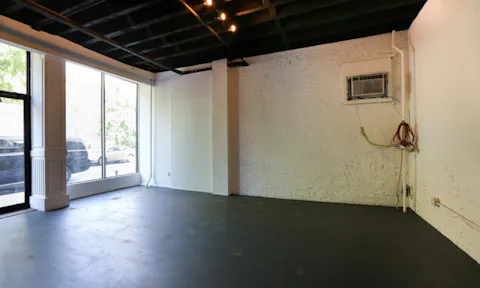


Short-term retail space in SoHo is mainly about fit, visibility at street level, and how quickly you can open. On XNomad, you can compare curated listings, check availability, and send an enquiry directly to the host for pop-up shops, product launches, and temporary retail projects.
What this page is best for
This page is built for brands and operators looking for a temporary shop in SoHo rather than a long lease. That usually includes pop-up stores, capsule drops, seasonal sales, customer acquisition campaigns, brand activations with direct sales, and short in-person tests before committing to a larger rollout.
If you need a wider search beyond this area, you can also compare retail spaces across New York.
What to check before choosing a pop-up shop
For temporary retail, the right space is rarely just about square footage. The layout has to support how customers move, browse, try products, and pay.
A useful shortlist usually includes:
- street-level access if you want easy customer entry
- a storefront that supports product visibility from outside
- room for a checkout counter without blocking circulation
- shelving, rails, or enough open wall space for your display plan
- a fitting area if customers need to try on products
- back-of-house storage for packaging, replenishment, and staff items
- reliable Wi-Fi and power sockets for payments, tablets, and lighting
- a restroom and basic staff facilities for longer trading days
If your concept depends on quick setup, spaces with a clean finish and minimal existing fit-out are often easier to adapt.
Features that matter for short-term retail
The most useful filters on a retail search are the ones that affect day-one trading. A ground-floor unit can make customer access simpler. A proper display window matters if your launch relies on passers-by understanding the offer immediately. Storage space is valuable for stock-heavy concepts, while a counter can save setup time for brands that need a payment point from the start.
Some projects need more operational support. If you are bringing in inventory deliveries, check whether the listing mentions easier loading access or multiple entrances. If the shop will run for several days or weeks, air conditioning, heating, and a private restroom can make daily operations smoother.
For brands planning a more designed activation, look closely at whether the host allows layout changes, temporary fixtures, or light customisation.
Matching the space to the retail format
Different retail projects need different setups. A compact launch for a single product line can work well in a focused storefront with strong display potential. A fashion pop-up may need changing space, garment rails, mirrors, and extra stock storage. A beauty or tech activation may prioritise demonstration tables, power access, and a layout that supports one-to-one interaction.
If direct selling is only part of the project, you may also want to compare nearby formats such as showroom spaces for appointment-led presentations or event venues for launch moments that are less retail-driven.
How pricing and booking decisions are usually made
The cost of a temporary shop is shaped by more than the headline rate. Duration, size, fit-out condition, included furniture, display infrastructure, and operational features all affect the overall budget. A ready-to-trade space may cost more upfront but reduce spend on fixtures, installation, and opening prep.
Before sending an enquiry, it helps to confirm your trading dates, setup needs, expected stock volume, and any branding elements you want to install. On XNomad, you can review verified listing details, compare photos and specifications, then contact the host with your dates and requirements. If you are still deciding between formats or areas of search, the broader New York hub is the best place to continue browsing.
FAQ
What kinds of projects suit a short-term retail space in SoHo?
Typical uses include pop-up shops, product launches, capsule collections, seasonal retail, sample sales, and short market-entry tests. The main advantage is being able to trade in person without committing to a long conventional lease.
Which features matter most for a pop-up store?
The most important points are usually customer access, a visible storefront, workable selling space, storage, payment setup, and reliable internet. Depending on the product, you may also need fitting space, display fixtures, or permission to customise the layout.
Should I prioritise a ready-to-use shop or a blank space?
That depends on your timeline and budget. A shop with existing retail fittings can shorten setup and reduce production costs. A simpler, more open space can be better if your brand needs custom staging or a very specific customer journey.
Can I rent a retail space for only a few days?
Many XNomad listings are designed for flexible short-term use, including brief rentals. The exact minimum stay depends on the host, so it is best to check the listing details and include your preferred dates in the enquiry.
What should I ask the host before booking?
Confirm availability, opening dates, setup and breakdown access, what fixtures are included, whether you can move furniture, where stock can be stored, and whether branding or temporary installations are allowed. It is also worth checking internet access and restroom availability.
How does the enquiry process work on XNomad?
You choose a listing, review the specifications and photos, then send an enquiry with your dates and project details. The host replies with confirmation or follow-up, and communication continues through the platform so you can clarify practical requirements quickly.