Locations
Explore locations
Find pop-up spaces in leading global and local retail cities.


Shared Spaces For Rent in Midtown Manhattan, New York

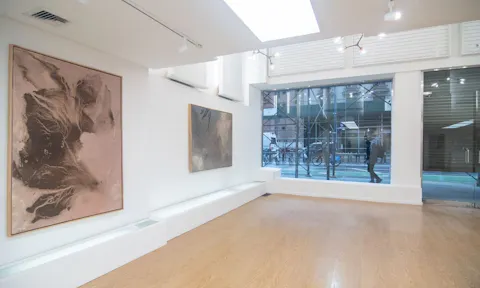
- Bar Spaces in Midtown Manhattan, New York |
- Event Spaces in Midtown Manhattan, New York |
- Gallery Spaces in Midtown Manhattan, New York |
- Pop Up Malls in Midtown Manhattan, New York |
- Pop Up Shops in Midtown Manhattan, New York |
- Showroom Spaces in Midtown Manhattan, New York |
- Unique Spaces in Midtown Manhattan, New York
Why rent a Shop Share Space in Manhattan, New York?
When it comes to retail success, selecting the right location is paramount. For businesses aiming to thrive in an ever-competitive landscape, the significance of renting a shop share space in Manhattan, New York, cannot be overstated. The bustling streets of Manhattan offer unparalleled opportunities for brands to connect with consumers in one of the most vibrant commercial hubs in the world. With a diverse population and a consistent flow of tourists, finding the perfect retail space can enhance brand visibility and drive sales.
One of the main benefits of renting a retail space is the immediate access to foot traffic. Manhattan is known for its high pedestrian volumes, making it an ideal spot for brands looking to attract a diverse range of customers. By establishing a presence in a prime location, businesses can effectively reach their target audience and generate greater sales potential. This kind of visibility is particularly important for retail businesses wanting to make a strong impact in a crowded market.
Also, renting a retail space allows brands to build a local presence and connect directly with customers. In a city as dynamic as New York, face-to-face interactions can foster trust and loyalty, leading to repeat business. When consumers can physically engage with a brand, it greatly enhances their overall shopping experience. This direct engagement is vital for creating a lasting impression and encourages word-of-mouth advertising, further amplifying brand awareness.
Operating in a vibrant commercial area in Manhattan brings additional strategic advantages. The proximity to other established businesses creates opportunities for networking and collaboration. Brands can benefit from partnerships with neighboring retailers, sharing resources, and driving more passing trade to their own locations. This collaborative atmosphere can enhance a brand's marketing efforts and provide additional avenues to reach prospective customers.
Another remarkable aspect of renting a retail space is the flexibility it offers. Businesses can choose to book spaces for days, weeks, months, or even years, allowing them to test different concepts without a substantial long-term commitment. This flexibility is particularly advantageous for startups and small businesses that may be exploring the market or trialing new products. Retail store rentals allow these businesses to adjust their strategies based on real-time feedback and performance metrics without the burden of long-term leases.
By renting a shop, brands can scale their operations as needed. If a particular concept proves successful, they can easily secure larger spaces or explore other prime locations to maximize their reach. This adaptability is essential in a fast-paced market like Manhattan, where consumer preferences can change rapidly.
In conclusion, renting a shop share space in Manhattan is a strategic decision that offers numerous benefits for businesses looking to enhance their retail presence. The advantages of retail spaces, such as access to foot traffic, building a brand in a target market, and the flexibility to test concepts, are invaluable. By choosing the right location, brands can maximize their visibility, connect directly with customers, and position themselves for success in one of the world’s leading commercial centers.
How much does it cost to rent a Shop Share Space in Manhattan, New York?
When planning a business, understanding retail rental costs is crucial for success, especially in a competitive market like Manhattan, New York. The cost to lease a shop in this buzzing city can vary markedly based on several factors, and having a clear grasp of these expenses can help businesses make informed decisions.
Manhattan is known for its prime real estate, and rental costs can be steep, especially in high-traffic areas such as Times Square or Fifth Avenue. Average retail store rental prices in these prime locations can range anywhere from $500 to $3,000 per square foot annually, depending on specific factors. For example, a small storefront of around 1,000 square feet in these areas might command around $100,000 to $300,000 per year. On the flip side, spaces in less sought-after areas or slightly off the beaten path can be significantly cheaper, with prices dipping to as low as $100 to $200 per square foot.
Several key factors influence these rental prices. Location is, without a doubt, one of the most critical elements. Areas with high footfall naturally attract higher rents as businesses vie for visibility and access to customers. The size of the store also plays a vital role; larger spaces, while potentially offering more inventory and customer Capacity, may come with higher overall costs. Market demand fluctuates, and during economic booms, you may find increased competition for desirable spaces that can further drive up prices.
For example, in neighborhoods like SoHo or the Lower East Side, which have become popular for boutique shops and pop-up locations, retail rental prices can range from $200 to $700 per square foot per year, depending on the exact site and proximity to major thoroughfares. Conversely, in a more suburban setting within New York City, rental costs typically range from $30 to $100 per square foot, reflecting less competition and lower foot traffic.
In addition to base rental prices, businesses must also account for additional expenses such as utilities, maintenance fees, security deposits, and taxes. Utilities can vary widely depending on the size and type of shop but typically add several hundred to thousands of dollars to your monthly budget. Taxes and maintenance fees should also be factored in, as they can substantially impact overall operational costs.
To navigate the complexities of renting in Manhattan successfully, it is important for businesses to set a realistic budget that includes all expected costs. Comparing options across various locations, understanding the nuances of different neighborhoods, and consulting local experts can provide valuable insights and help mitigate risks. Exploring flexible rental arrangements, such as those offered by shared retail spaces, can also be an advantageous way to enter the market with lower initial costs.
In conclusion, while the cost to rent a shop share space in Manhattan can be high, a thorough understanding of the influencing factors can empower businesses to make strategic choices that align with their financial capabilities. By carefully evaluating the market and considering all associated costs, entrepreneurs can pave the way for a successful retail venture in one of the world's most dynamic cities.
Benefits of leasing a Shop Share Space in Manhattan, New York?
Leasing commercial spaces has become an increasingly popular option for businesses and individuals seeking flexible and cost-effective solutions for retail stores, event venues, showrooms, or offices. In a city like Manhattan, where real estate prices soar, leasing can provide a practical alternative to purchasing property, which often costs millions of dollars. The benefits of leasing are manifold, especially in a dynamic environment like New York, where opportunities abound.
One of the primary advantages of leasing is the access it provides to high-demand areas that may otherwise be financially out of reach. For instance, a retail space on a busy Manhattan street could easily come with a price tag of several million dollars to purchase, but leasing allows businesses to establish a presence in these prime locations with significantly lower financial commitment. This enables brands to showcase their offerings to a broad audience and tap into the passing trade Manhattan is known for, all while managing their capital effectively.
Leasing also offers invaluable scalability for growing businesses. As brands expand their reach, the flexibility that comes with lease agreements allows them to adjust their space requirements based on demand. Whether it's a seasonal pop-up shop or an established business needing more room, leasing provides the agility to adapt without the long-term commitment associated with ownership. This is particularly beneficial in a fast-paced market where consumer preferences can shift overnight.
Another crucial aspect of leasing is that many agreements include maintenance or infrastructure support from landlords. This means that businesses can focus on their operations without the added worry of handling repairs, property upkeep, or unexpected expenses. This arrangement can lead to significant cost savings and allows brands to allocate their resources more effectively, fostering growth and innovation.
For those in need of event spaces, the flexibility of leasing offers unique opportunities as well. Event venues in Manhattan can be leased hourly or daily, with prices ranging from 100 to 10,000 depending on the size and amenities offered. This adaptability allows businesses to host everything from intimate gatherings to large-scale events without the financial burden of a long-term commitment.
As with any business decision, it’s essential to assess market trends before entering into a lease agreement. Understanding the local real estate landscape, including rental prices and demand fluctuations, can position businesses for success. Calculating total costs associated with leasing—such as utilities, insurance, and maintenance—secures that the choice aligns with specific business goals and financial capabilities.
In summary, leasing commercial spaces in Manhattan presents a wealth of benefits, from access to prime locations and scalable options to opportunities for hosting events without extensive financial obligations. By evaluating market trends and carefully calculating costs, businesses can draw on the advantages of leasing to enhance their growth prospects and achieve long-term success in a competitive marketplace.
What are the most popular neighborhoods for renting a Shop Share Space in Manhattan, New York?
Choosing the right neighborhood for renting a shop share space in Manhattan is critical for business success. Various types of businesses thrive in specific areas, influenced by local culture, demographics, and market trends. For example, creative hubs like SoHo and the Lower East Side are ideal for showrooms and niche retailers, attracting a clientele that appreciates innovative designs and artistic expressions. In contrast, high-end districts like Madison Avenue and the Meatpacking District cater to luxury retail, drawing affluent customers seeking premium brands and exclusive products.
The significance of nearby landmarks cannot be understated. Areas adjacent to shopping streets, universities, or business centers tend to experience consistent passing trade. For instance, locations near NYU or Columbia University benefit from a steady influx of students, faculty, and visitors, creating a prime environment for cafes, bookstores, and boutique shops. Similarly, areas like Fifth Avenue are known for their high pedestrian activity, often exceeding thousands of visitors daily, making them attractive for retail businesses.
When evaluating neighborhood profiles, businesses should consider demographics, average foot traffic, and local competition. Balancing location costs with expected returns is essential. While premium locations may come with higher rents, they often yield better sales potential due to increased visibility and access to a targeted audience. Businesses should also analyze the local market demand and seasonal trends to determine the best time to secure retail space.
Some of the most advantageous neighborhoods for renting shop share spaces in Manhattan include the bustling streets of Times Square, where tourists and locals converge, and the bustling East Village, known for its eclectic mix of shops and eateries. Other notable areas include Tribeca, with its charming atmosphere that attracts both residents and visitors, and Chelsea, which is home to an active arts scene and numerous galleries.
Overall, selecting the right neighborhood is a pivotal step in establishing a successful retail presence in Manhattan. Understanding the unique characteristics of different locales and aligning them with business goals can lead to profitable ventures in one of the world’s most dynamic markets.
Steps involved in planning a Shop Share Space in Manhattan, New York
Planning a shop share space locally involves several key steps to ensure a successful venture. First and foremost, it is vital to identify the purpose of the space. Understanding what you want to achieve, whether it is brand visibility, product launches, or enhancing customer engagement, will help shape the overall strategy.
Next, understanding the target audience is essential. Conduct thorough market research to identify potential customers and their preferences. This research should also encompass an evaluation of demand and competition in different neighborhoods across Manhattan. Different areas may serve distinct demographics, and choosing the right location can substantially impact the success of your venture.
Setting a realistic budget is another critical step in the planning process. Analyze all potential costs, including rent, utilities, staffing, and marketing expenses. Having a clear financial plan will help in making informed decisions about location and space size.
Preparing an inventory of products and services offered is vital for ensuring that your shop share space is well-stocked and appealing to customers. Consider what items will resonate best with your target audience and how to present them in an engaging manner.
Marketing and promotion play a significant role in attracting customers to your space. Utilize various channels such as social media, email marketing, and local events to create awareness around the opening and ongoing offerings. Establishing an online presence can also be beneficial.
When it comes to staffing, hiring the right employees is key for delivering excellent customer service. Staff should be knowledgeable, friendly, and capable of creating an inviting atmosphere. Providing training that focuses on product knowledge and customer interaction will enhance the shopping experience.
Creating an immersive experience for customers involves thoughtful design and layout of the retail space. Focus on ambiance, visual merchandising, and interactive elements that engage customers and encourage them to explore your offerings.
Managing payment transactions securely should not be overlooked. Choose reliable and efficient payment processing solutions to ensure hassle-free transactions, reflecting a professional image to customers.
Lastly, analyze the data post-opening to understand customer behavior and sales trends. This analysis can help in making future decisions about inventory, marketing strategies, and even location adjustments.
When selecting the best locations for commercial spaces, consider factors like accessibility, public transport options, and nearby amenities. Locations that are easy to reach will attract more foot traffic, contributing to business growth.
In conclusion, to successfully plan a shop share space in Manhattan, consulting local real estate experts is advisable. They can provide insights about the market and guide you through lease agreements. Aside from that, always align your location choices with your business goals to ensure that you are on the right path for growth. These actionable tips will help you create a thriving retail environment in one of the most dynamic cities in the world.
How long should you rent a Shop Share Space in Manhattan, New York to achieve your goals?
When considering how long to rent a shop share space in Manhattan, New York, it is essential to take into account several factors that directly influence your business goals and the intended use of the space. The optimal lease length often varies depending on the type of business you operate, whether it is retail, an event space, a showroom, or an office.
Short-term leases, which can range from a few days to around a year, are particularly advantageous for pop-up shops or temporary events. These flexible arrangements enable brands to test new markets or showcase products without a long-term commitment, allowing for quick adaptation based on customer response and sales performance. This approach is ideal for businesses that thrive on innovation and seasonal trends, making it easier to engage with target audiences in a dynamic environment.
Conversely, longer leases, typically spanning three to five years, provide stability and allow businesses to establish a loyal customer base. Brands looking for consistency in location and a familiar shopping experience for customers often benefit from this kind of commitment. These agreements can foster a strong brand presence and enhance customer loyalty, providing the time needed to build effective marketing strategies and operational efficiency.
The demand for flexible lease options is growing as businesses strive to stay adaptable in an ever-changing market landscape. Shorter rental durations allow companies to respond to shifts in consumer behavior and economic conditions without the burden of long-term commitments. This flexibility can be vital for brands aiming to pivot their strategies quickly in response to market trends.
When deciding on the rental duration for commercial spaces, it is vital to evaluate your business objectives carefully. Take the time to understand current market trends, assess potential customer behaviors, and determine whether a short-term or long-term lease aligns more closely with your goals. Consulting the lease agreement is also crucial to ensure that the terms align with your strategic plans.
In conclusion, aligning your rental duration with your business objectives can considerably enhance your chances of success. By considering the specific needs of your business and the nature of your offerings, you can choose a rental timeline that not only meets immediate needs but also sets the stage for future growth.
How can xNomad help your brand successfully launch a Shop Share Space in Manhattan, New York?
How can xNomad help your brand successfully launch a Shop Share Space in Manhattan, New York?
Launching a Shop Share Space in the area, presents a unique opportunity for brands to connect with consumers in one of the most bustling retail environments in the world. However, navigating the complexities of location selection, design, and execution can be daunting. This is where xNomad comes in as a trusted pop-up retail partner, offering end-to-end retail solutions tailored to meet the needs of your brand.
xNomad specializes in providing versatile and flexible services that seamlessly bridge the gap between brands and landlords. With a commitment to trust, innovation, and simplicity, xNomad acts as a full-service agency, ensuring that every aspect of your Shop Share Space launch is expertly handled. Whether you are looking for a temporary presence or a long-term engagement, xNomad offers spaces for booking by days, weeks, months, or even years, adapting to your specific requirements.
From location scouting to concept design and marketing, xNomad takes care of all the details needed for a successful launch. Their team understands that every brand has a unique vision, which is why they focus on creating move-in-ready spaces that reflect your identity and engage your target audience. This includes design, furnishing, and staffing, providing you with a comprehensive solution that allows you to concentrate on what matters most—building connections with your customers.
xNomad's robust global presence ensures that whether you are scaling locally in Manhattan or seeking to expand internationally, you have a reliable partner by your side. Their extensive network of partnerships not only facilitates easy access to prime locations but also helps revitalize urban areas by creating memorable and innovative pop-up experiences. This collaborative approach to retail makes xNomad a dynamic player in the industry, equipped to drive foot traffic and engagement for your brand.
The success of xNomad is reflected in their proven track record with trusted global brands, which rely on their expertise to deliver outstanding results. By choosing xNomad, you align your brand with an organization that prioritizes excellent communication and innovative solutions, ensuring that your Shop Share Space becomes a beacon for consumers looking for engaging and unique experiences.
In conclusion, partnering with xNomad positions your brand for success in launching a Shop Share Space in Manhattan. With their commitment to connecting brands with perfect spaces, combined with a focus on community-building, xNomad is dedicated to delivering exceptional results that resonate in the heart of New York City. Choose xNomad for your next venture and experience the difference that a comprehensive, professional, and innovative retail partner can make.
FAQ
Q: How does the location of a shop share space in Manhattan impact passing trade?
A: The location of a shop share space in Manhattan substantially impacts passing trade due to the area's diverse population and tourist influx. Prime locations like Times Square or Fifth Avenue attract higher pedestrian volumes, enhancing visibility and sales potential. For instance, a shop in SoHo might see different customer demographics compared to one in the Financial District, influencing business success.
Q: What factors should businesses consider when choosing a neighborhood for a shop share space in Manhattan?
A: Businesses should consider demographics, foot traffic, local culture, and competition when choosing a neighborhood for a shop share space in Manhattan. Areas like SoHo attract creative industries, while Madison Avenue caters to luxury brands. Understanding these dynamics helps align business goals with the right location, optimizing customer engagement and sales.
Q: How can businesses effectively budget for renting a shop share space in Manhattan?
A: Businesses can effectively budget for renting a shop share space in Manhattan by analyzing all potential costs, including rent, utilities, and marketing expenses. Understanding the average rental prices in different neighborhoods, such as $200 to $700 per square foot in SoHo, helps set realistic financial plans and make informed decisions.
Q: What are the legal considerations when renting a shop share space in Manhattan?
A: Legal considerations when renting a shop share space in Manhattan include understanding lease terms, zoning regulations, and compliance with local business laws. It's important to review the lease agreement carefully and consult with legal experts to ensure adherence to all legal requirements, minimizing potential risks.
Q: How can businesses increase the benefits of a short-term lease in Manhattan?
A: Businesses can maximize the benefits of a short-term lease in Manhattan by using it to test new markets or launch seasonal products. Short-term leases offer flexibility, allowing brands to adapt quickly to market trends and consumer preferences. For example, a pop-up shop during the holiday season can cash in on increased passing trade.
Q: What are the challenges of operating a shop share space in Manhattan during peak tourist seasons?
A: Operating a shop share space in Manhattan during peak tourist seasons presents challenges like increased competition and higher rental costs. Businesses must strategically plan inventory and staffing to handle the surge in visitors. For instance, securing a space well in advance can ensure access to prime locations during high-demand periods.
Q: How does xNomad assist businesses in finding the right shop share space in Manhattan?
A: xNomad assists businesses in finding the right shop share space in Manhattan by offering a platform to book flexible retail spaces. They provide end-to-end solutions, from location scouting to design and marketing, ensuring a hassle-free launch. This support helps brands connect with their target audience effectively.
Q: What are the cost implications of renting a shop share space in less popular Manhattan neighborhoods?
A: Renting a shop share space in less popular Manhattan neighborhoods often results in lower costs, with prices ranging from $100 to $200 per square foot annually. While these areas may have less walk-in traffic, they offer opportunities for niche markets and can be ideal for businesses with specific target audiences.
Q: How can businesses ensure a successful launch of a shop share space in Manhattan?
A: Businesses can ensure a successful launch of a shop share space in Manhattan by conducting thorough market research, setting a realistic budget, and creating a strong marketing strategy. Engaging with local communities and leveraging platforms such as xNomad for location and design support can enhance visibility and customer engagement.
Q: What are the seasonal trends affecting shop share spaces in Manhattan?
A: Seasonal trends affecting shop share spaces in Manhattan include increased passing trade during holidays and tourist peaks. Businesses should align their offerings with these trends, such as launching holiday-themed products or promotions. Understanding these patterns helps optimize inventory and marketing strategies for maximum impact.
Q: How does xNomad's platform simplify the process of launching a pop-up store in Manhattan?
A: xNomad's platform simplifies the process of launching a pop-up store in Manhattan by providing a comprehensive solution for finding and booking retail spaces. They handle logistics, design, and marketing, allowing brands to focus on customer engagement. This streamlined approach reduces operational complexity and enhances launch success.
Q: What are the advantages of collaborating with neighboring businesses in a shop share space in Manhattan?
A: Collaborating with neighboring businesses in a shop share space in Manhattan offers advantages like increased footfall and shared marketing efforts. Partnerships can lead to resource sharing and joint promotions, enhancing visibility and customer reach. For example, a joint event with a neighboring retailer can attract a broader audience.
Q: What is a pop-up shop and how does it work in new-york-midtown for share projects?
A: A pop-up shop is a temporary retail space used to promote products or brands. It operates for a short duration, often drawing on high foot traffic areas. In New York Midtown, businesses can engage customers by offering unique experiences or limited-time products. For example, many brands successfully launch seasonal pop-up shops in locations like Times Square.
Q: How do I find pop-up retail space near me in new-york-midtown for share projects?
A: You can find pop-up retail space in New York Midtown by utilizing booking platforms like xNomad, which lists available spaces tailored for temporary leases. Networking with local real estate agents and checking community boards or social media can also be helpful. There are numerous options available within the bustling commercial areas, especially around Fifth Avenue.
Q: What types of spaces are available for pop-up shops in new-york-midtown for share projects?
A: Available spaces for pop-up shops in New York Midtown include retail storefronts, kiosks, and shared market spaces. These venues cater to various brands and products, benefiting from pedestrian traffic. Spaces like those in Bryant Park or near major venues often offer unique settings for diverse pop-up experiences.
Q: How far in advance should I book a pop-up space in new-york-midtown for share projects?
A: It's advisable to book a pop-up space in New York Midtown at least one to three months in advance. This timeframe enables you to secure prime locations and adequate marketing time. Spaces can fill quickly, especially during peak retail seasons, like the holidays.
Q: Can I rent a pop-up space for just one day or one weekend in new-york-midtown for share projects?
A: Yes, you can rent a pop-up space for a single day or weekend in New York Midtown. Many space providers cater to short-term leases, allowing flexibility for special events or limited promotions. For example, xNomad offers options specifically for short stays, ideal for testing new markets or product launches.
Q: Do I need a permit to run a share pop-up shop in New York?
A: Yes, you generally need a permit to run a pop-up shop in New York. The specific requirements can vary depending on the space and type of goods sold. It's essential to check with the city's Department of Consumer Affairs for regulations relevant to your business.
Q: How do I obtain a share pop-up shop permit in New York?
A: To obtain a pop-up shop permit in New York, you need to apply through the Department of Consumer Affairs or relevant city agency. This typically involves filling out an application form, paying a fee, and possibly providing additional documentation such as a business plan or proof of insurance.
Q: How long does it take to get a share pop-up shop permit in New York?
A: The time to get a pop-up shop permit in New York can vary, typically taking anywhere from a few days to several weeks. Factors affecting the timeline include the complexity of your application and the current workload of the city agency. Plan ahead to ensure compliance.
Q: Can I operate a share pop-up shop without a permit in New York?
A: No, you cannot operate a pop-up shop without obtaining the necessary permits in New York. Operating without a permit can result in fines, forced closure, or other legal issues. Always ensure you're compliant with local regulations to avoid complications.
Q: Do I need insurance for a share pop-up shop in New York?
A: Yes, obtaining insurance for your pop-up shop in New York is advisable. This protects you against potential liabilities, such as injuries or property damage. Many venues also require proof of insurance before allowing you to operate on their premises.
Q: Are there any specific permit requirements I should know about before booking a share space in New York?
A: Yes, you should check for specific permit requirements, as they can vary based on the type of products sold or activities conducted. Common factors include zoning laws and health regulations. It’s smart to verify these details with city officials before finalizing a venue.
Q: Does the venue handle permits for a share pop-up shop in New York, or is that my responsibility?
A: Typically, securing permits for a pop-up shop in New York is the responsibility of the operator. While some venues may assist with the process, you should confirm with them beforehand. They might also require you to provide proof of the necessary permits to operate legally.
Q: What are some creative display ideas for a pop-up shop in New York?
A: Use unique elements like reclaimed wood, lively backdrops, and interactive displays to engage customers. Incorporating local artwork can enhance the aesthetic and attract attention. For instance, spotlighting handmade crafts from local artisans can make your shop uniquely New York.
Q: How can I design an eye-catching pop-up stand on a budget in New York?
A: Utilize DIY décor techniques, such as using pallets or fabric to create a stylish backdrop. Thrift stores can provide affordable props that add character. Many successful pop-ups in New York have created stunning environments for under $500.
Q: How do I make my pop-up shop social media friendly in New York?
A: Create Instagrammable spots with bold signage and engaging decor that encourages photo-taking. Use hashtags relevant to New York and promote a unique brand message on social channels. Many brands have seen a significant uptick in engagement by crafting visually appealing areas in their pop-up spaces.
Q: What are some pop-up shop table display ideas in New York?
A: Opt for tiered table setups that raise visibility and add height variation, or use clear acrylic risers to showcase products effectively. A popular trend in New York is incorporating greenery, like small potted plants, to create a lively atmosphere while displaying merchandise.
Q: What are the most trending pop-up shop display ideas right now in New York?
A: Minimalist designs featuring natural materials and dynamic interactive installations are popular. Brands also utilize technology, like QR codes, to provide information seamlessly. In New York, many successful pop-ups leverage these trends for a more engaging customer experience.
Q: What furniture or fixtures do I need to set up a pop-up shop in New York?
A: Essential items include versatile tables, display stands, shelving units, and comfortable seating. Consider portable furniture that can be easily transported, especially in bustling areas of New York. A well-organized layout can facilitate a smooth shopping experience for customers.
Q: What are the first steps to starting a pop-up shop in New York for a share project?
A: The first steps include conducting market research to understand your target audience and product demand. You should also develop a budget and determine the timeline for your pop-up. This groundwork helps in making informed decisions for securing a location and designing promotional strategies. For instance, setting a timeline of 2-3 months can streamline your preparations.
Q: Do I need a business plan for a pop-up shop in New York for a share project?
A: Yes, having a business plan is essential for a pop-up shop. It outlines your objectives, marketing strategy, and financial projections. A comprehensive plan can guide you through your project's execution and help attract potential investors or partners. Many successful pop-up retailers like those using xNomad attribute their success to well-structured business plans.
Q: What should I look for when choosing a pop-up shop location in New York for a share project?
A: When selecting a location, consider footfall, visibility, and the demographics of the area. It’s important to assess nearby competitors and the overall environment to ensure your target audience frequents the location. For example, setting up in a bustling area like SoHo can enhance visibility and customer engagement significantly.
Q: What are the key benefits of running a pop-up shop in New York for a share project?
A: Running a pop-up shop offers several benefits, including increased brand visibility and the opportunity to engage directly with customers. It allows businesses to test new products and concepts in a low-risk environment while gathering valuable feedback. Studies show that pop-up shops can boost sales by up to 30% compared to online-only sales.
Q: What are the benefits of a share project in New York?
A: A share project in New York can enhance community engagement and promote sustainable transportation. By providing accessible bikes or vehicles for shared use, residents can reduce carbon emissions and alleviate traffic congestion. For instance, programs like Citi Bike in NYC have successfully encouraged cycling as a viable commuting option.
Q: How does a share project in New York impact local businesses?
A: A share project in New York can boost local businesses by increasing foot traffic and exposure to nearby shops and restaurants. When shared transport options are available, people are more likely to explore areas they might not otherwise visit. Data shows that neighborhoods with bike-sharing stations experience a rise in the number of customers for local shops.
Q: What should I consider when planning a pop-up share project in New York?
A: You should consider the location, target audience, and timing. Selecting a high-traffic area can enhance visibility, while understanding your customer demographics will tailor your offerings. Timing is crucial; aim for peak shopping seasons or local events. For instance, a holiday pop-up during December in New York can attract significant foot traffic.
Q: How do I choose the right pop-up share format for my brand in New York?
A: Assess your brand's objectives and audience to select an appropriate format. Market stalls offer low costs and flexibility, while storefronts provide a more permanent presence. Concessions work well for brands seeking exposure in established locations. For example, a trendy local brand might thrive in a shared space or market stall during New York’s summer festivals.
Q: What are the most common mistakes first-time pop-up share operators make in New York?
A: First-time operators often underestimate costs and fail to plan for logistics. Not securing necessary permits and licenses can lead to fines or closures, while neglecting marketing can result in poor foot traffic. For instance, a startup in New York might plan a pop-up but overlook social media promotion, drastically affecting turnout.
Q: What are the best locations and setups for a share project in New York?
A: Top locations for a share project include popular parks like Bryant Park and event hubs such as the Union Square Greenmarket. Ensure to have a portable, visually appealing setup with clear branding and products displayed effectively. Consider logistics like foot traffic and local regulations for permits.
Q: How do I run a share project pop-up shop outside or on a trail/market route in New York?
A: To run a share project pop-up shop outside, secure a spot along high-traffic areas, such as the High Line or the Brooklyn Flea. Prepare for setup and teardown logistics, create engaging signage, and ensure your team is ready for customer interactions. Successful pop-ups often thrive in areas with existing foot traffic.
Q: What should I consider when doing a share project pop-up shop at an outdoor event in New York?
A: When planning a share project pop-up at an outdoor event, consider the event's target audience, weather conditions, and necessary permits. Be prepared with shaded areas for booths, effective payment solutions, and promotional materials. Make use of social media to attract visitors ahead of the event.
Q: What equipment do I need for a pop-up coffee project in New York?
A: For a pop-up coffee project in New York, you need essential equipment like an espresso machine, coffee grinder, brewing devices, and a portable power source. Additional items such as a point-of-sale system, tables, and chairs, plus containers for food items, are also important. A basic setup ensures a smooth operation and customer satisfaction.
Q: What are the best locations for a pop-up coffee project in New York?
A: The best locations for a pop-up coffee project in New York include busy areas like Times Square, Bryant Park, or popular markets such as Smorgasburg. These high-traffic spots attract a diverse crowd, making them ideal for coffee sales. Also, consider collaborating with local businesses to host your pop-up event.
Q: How do I promote a pop-up coffee event on social media for a project in New York?
A: To promote a pop-up coffee event on social media for a project in New York, create visually appealing posts showcasing your offerings and location details. Use local hashtags, engage with followers, and provide updates through stories and reels. Collaborate with local influencers to increase reach and awareness of your event.
Q: How do I start a successful pop-up coffee shop project in New York?
A: To start a successful pop-up coffee shop project in New York, begin by researching your target market and securing necessary permits. Choose a smart location and design an appealing menu. Leverage social media and local events to generate buzz. Keeping customer experience as a priority is crucial for repeat business.
Découvrez nos espaces Scopri i nostri spazi Ontdek onze ruimtes 探索我们的空间