Locations
Explore locations
Find pop-up spaces in leading global and local retail cities.


Shared Spaces For Rent in Chinatown, New York


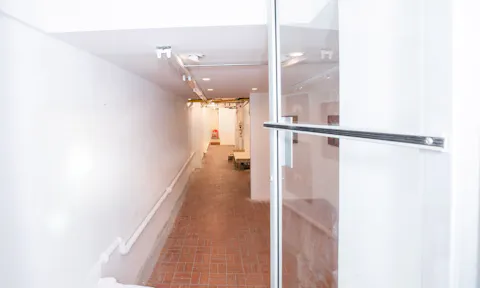

Why rent a Shop Share Space in Chinatown, New York?
Choosing the right location is a critical factor for retail success, and renting a shop share space in Chinatown, New York can considerably enhance your brand's visibility and customer engagement. Chinatown is not just a bustling neighborhood; it represents a vibrant cultural hub that attracts diverse footfall year-round. By renting a retail space in this area, businesses can tap into a rich tapestry of visitors looking for unique products and experiences, making it an ideal location to build a brand presence.
One of the foremost benefits of renting a retail space in Chinatown is the access to substantial passing trade. Every day, thousands of locals and tourists traverse the streets, drawn by the rich history, colorful markets, and renowned culinary offerings of the neighborhood. This high volume of potential customers means that businesses have a better chance of making sales, as increased foot traffic directly correlates with higher visibility and engagement. On top of that, being near important companies and brands boosts credibility and presents opportunities for collaborations.
The historical monuments and attractions in Chinatown also contribute to the area's allure. Visitors often seek out retail locations that offer not just products but an experience, making this location a strategic choice for retailers aiming to connect with customers on a deeper level. The uniqueness of Chinatown's cultural heritage allows brands to offer something special, creating memorable shopping experiences that resonate with consumers. Leveraging the historic and cultural aspects of the neighborhood can enrich your brand narrative, fostering loyalty and repeat business.
Renting a shop in a energetic commercial area like Chinatown also opens up networking opportunities. Sharing the space with other businesses means increased collaboration potential, allowing retailers to cross-promote and connect with neighboring shops. This synergy can lead to innovative marketing strategies and enhanced customer experiences, as well as the ability to share resources and insights within a community of like-minded entrepreneurs.
Plus, the flexibility that comes with renting a retail store allows businesses to test concepts without committing to long-term investments. Whether you are launching a new product line or assessing market demand for a seasonal offering, the ability to rent space for days, weeks, or even months provides an advantageous testing ground. Establishing a presence in a well-chosen location while maintaining the ability to scale or pivot based on business needs is an attractive proposition for retailers seeking to establish themselves in a competitive landscape.
In conclusion, renting a shop share space in Chinatown, New York presents a multitude of benefits that are hard to overlook. With access to foot traffic, a culturally rich environment, the potential for partnerships, and the flexibility to test concepts, businesses can take advantage of the unparalleled opportunities within this buzzing community. In today’s fast-paced retail environment, the strategic decision to rent a retail space could be the key to unlocking success while overcoming the challenges of long-term commitments.
How much does it cost to rent a Shop Share Space in Chinatown, New York?
Understanding retail rental costs is important for any entrepreneur planning to establish a business presence. This is particularly true in bustling areas like Chinatown, New York, where the vibrancy of the neighborhood can attract a diverse clientele and create significant opportunities for growth. However, navigating the complexities of rental prices requires awareness of several key factors.
Rental costs in Chinatown vary considerably based on location, space size, walk-in traffic, and market demand. As of recent data, retail spaces in Chinatown can range from approximately $50 to $150 per square foot annually. In high-traffic areas, such as along Canal Street or near popular dining spots, prices can exceed the higher end of this range. Conversely, smaller or less frequented locations may offer more affordable options, potentially starting around $40 per square foot.
Several factors influence these rental prices. First and foremost is location. Retail spaces situated in the heart of Chinatown benefit from heavy pedestrian traffic, which can justify higher rental costs due to the increased potential for sales. On the other hand, stores located a few blocks away from main thoroughfares may find costs considerably lower, as foot traffic decreases.
Store size also plays a pivotal role in determining rental costs. Larger spaces, which can accommodate extensive inventory or elaborate setups, generally command higher rents. However, in densely populated areas such as Chinatown, smaller pop-up spaces allow brands to test the waters with lesser financial commitment, often available for daily or weekly rentals.
Market demand is another essential factor, particularly in an area known for its cultural significance and tourism appeal. High market demand can lead to elevated rents, especially during peak seasonal periods where foot traffic swells, such as during festivals or holidays.
Beyond the base rental price, business owners should consider extra costs that impact the overall expense of leasing a retail space. Utilities, which encompass electricity, water, and heating, must be factored into the budget. Further, landlords typically require a security deposit, which can range from one to three months' rent. Taxes, maintenance fees, and any property insurance add another layer of expense that business owners must navigate.
For those contemplating a retail venture in Chinatown, consider a few actionable tips. Start by setting a realistic budget that encompasses all costs, not just the rent itself. Compare various options available in the area, focusing on both high-traffic and emerging local hubs, as this could result in a favorable financial arrangement. Finally, consulting local real estate experts can provide invaluable insights into market trends and rental pricing, ensuring informed decisions are made.
In conclusion, understanding the dynamics of retail store rental prices in Chinatown, New York, is essential for any budding entrepreneur. By considering location, size, and market demand, and budgeting for additional costs, individuals can set a solid foundation for successful retail operations.
Benefits of leasing a Shop Share Space in Chinatown, New York?
Leasing a commercial space is an increasingly popular choice for businesses and individuals looking for retail stores, event venues, showrooms, or offices. This approach offers a cost-effective and flexible solution, allowing companies to focus on growth rather than the burden of property ownership. In urban centers like Chinatown, New York, where real estate prices can soar into the millions, leasing presents a viable alternative for startups and established brands alike, providing the opportunity to operate in high-demand areas without the hefty upfront investment.
One of the primary benefits of leasing is access to prime locations that might otherwise be financially out of reach. In Chinatown, where foot traffic can be invaluable for retail success, leasing a commercial space enables businesses to establish a presence in a lively neighborhood known for its rich culture and diverse community. This strategic positioning can significantly enhance visibility and customer engagement, contributing to overall business success.
Scalability is another vital advantage of leasing. For growing businesses that may not yet be ready to commit to a permanent space, leasing offers the flexibility to adjust size and scale. As business demands fluctuate, a leased space allows owners to move to larger or smaller premises without the complications associated with buying and selling property. This scalability proves advantageous for seasonal retailers or startups testing the waters in a competitive market.
Leasing also often includes maintenance and support services provided by landlords. Many commercial leases come with provisions for property upkeep, which can reduce operational burdens on businesses. This means that tenants can focus on their core operations, from engaging customers to developing products, rather than worrying about unexpected repair costs or the upkeep of the physical space.
Another flexibility offered by leasing is the option to rent spaces for events on an hourly or daily basis. In bustling areas like Chinatown, event spaces can be leased for as little as $100 to upward of $10,000, depending on the size and amenities offered. For businesses looking to host pop-up shops or special events, this short-term leasing option allows brands to connect with their audience while minimizing long-term financial commitments.
When considering leasing options, it is essential to assess market trends to make informed decisions. Understanding local real estate dynamics, competition, and customer demographics can provide valuable insight into the right space for a business. Calculating the total costs associated with a lease—such as utilities, maintenance, and potential rent escalations—can prevent unforeseen financial strain. Finally, ensuring that the lease aligns with the business's specific goals will pave the way for long-term success in a competitive market.
In conclusion, leasing offers a strategic, flexible, and cost-effective approach to securing commercial space. With the bustling and culturally rich environment of Chinatown, New York, businesses can leverage these benefits while enhancing their operational capabilities and market presence.
What are the most popular neighborhoods for renting a Shop Share Space in Chinatown, New York?
When considering the most popular neighborhoods for renting a shop share space locally, it's essential to recognize how different types of businesses thrive based on local culture, demographics, and market trends. Chinatown, with its rich cultural heritage and large population of Asian American residents, is a energetic hub that attracts various retail operations, from restaurants and grocery stores to art vendors and boutique shops.
Chinatown's unique character makes it well-suited for businesses that cater to both locals and tourists. The area is known for its colorful streets and bustling markets, which not only foster a sense of community but also draw significant foot traffic. Streets like Mott Street and Canal Street are particularly advantageous due to their proximity to key landmarks, such as heritage sites and renowned restaurants, which collectively generate a high daily footfall estimated at around 20,000 to 30,000 visitors in peak tourist seasons.
Creative businesses often find ample opportunities in this neighborhood, especially as nearby creative hubs continue to evolve. Companies that focus on fusion food, artisan crafts, and unique cultural experiences can particularly benefit from the area's lively art scene. High-traffic areas adjacent to business centers create a consistent draw for both retail and pop-up concepts, making it easier to achieve desired visibility and interaction with potential customers. These locations often see spontaneous visits from pedestrians, which are vital for businesses looking to increase brand exposure.
When evaluating neighborhood profiles for a shop share space, businesses should consider demographic factors, such as the local population's age, income level, and cultural preferences. Balancing location costs with expected returns is critical as well. Although renting spaces in prime areas often comes with elevated costs, the potential for higher sales volumes and brand recognition can offset initial expenses.
Key streets in Chinatown, such as Bowery and Pell Street, also offer great prospects for rentals due to their strategic positioning near transport nodes and residential areas. Understanding the dynamics at play can help businesses identify the best locations for their unique offerings.
In conclusion, for those looking to rent a shop share space in Chinatown, New York, being mindful of local culture, foot traffic patterns, and the significance of nearby landmarks is vital. Focusing on these elements can lead to informed decisions that contribute to sustained business growth and community engagement.
Steps involved in planning a Shop Share Space in Chinatown, New York
Planning a shop share space in Chinatown, New York, requires careful consideration and strategic planning. The first key step is to identify the purpose of the space. Whether the goal is to promote local artisans, offer unique culinary experiences, or create a community hub, a clear vision will inform all subsequent decisions.
Understanding the target audience is critical. Conduct market research to evaluate demand and competition in the Chinatown area. This involves gathering insights about who frequents the neighborhood, their preferences, and spending habits, as well as analyzing competitors to identify gaps in the market that your shop can fill. Evaluate accessibility, public transport options, and nearby amenities, as these factors significantly influence walk-in traffic and customer convenience.
Setting a realistic budget for renting spaces is essential. This includes considering not just the rental costs but also expenses related to inventory, staff, utilities, and marketing. Preparing your inventory ahead of time means knowing your product mix and ensuring you have adequate supplies upon launch.
Marketing and promotion strategies should be developed early in the planning process to create buzz ahead of your opening. Utilize social media, local influencers, and community events to maximize visibility. Hiring staff is another crucial component; choose team members who not only possess the necessary skills but also embody the spirit of your brand. They should be knowledgeable and enthusiastic, ready to create an immersive experience for customers.
Managing payment transactions securely will foster customer trust and streamline operations. Use reliable payment systems that enhance the shopping experience. After your shop opens, continuously analyze the data collected from sales, customer feedback, and traffic patterns. This analysis will highlight areas for improvement and help refine your business strategy.
In Chinatown, consider important aspects like cultural compatibility, as well as the vibrant local character that attracts diverse crowds. Consulting local real estate experts can provide valuable insights into potential locations and current market trends. It is key to review lease agreements thoroughly and ensure they align with your business goals, particularly in such a competitive area.
In conclusion, the best locations for commercial spaces in Chinatown can substantially enhance business growth. By following these steps to plan a retail store, you can position your shop share space for success in one of New York’s most dynamic neighborhoods.
How long should you rent a Shop Share Space in Chinatown, New York to achieve your goals?
When considering how long to rent a shop share space locally, it's essential to evaluate your business type, goals, and specific use of the space. The optimal lease length can vary significantly depending on whether you're looking to operate a retail shop, host events, showcase products, or establish an office.
For businesses focused on pop-up shops or temporary events, short-term leases are often the most suitable option. These leases typically range from a few days to a year, making them ideal for brands looking to test new markets, promote seasonal products, or engage with the community in a unique way. Pop-up concepts can generate excitement and attract new customers without the commitment of a long-term lease, allowing for flexibility and experimentation.
On the other hand, businesses seeking more stability and customer familiarity may benefit from longer lease agreements. A lease length of three to five years provides the opportunity to build a dedicated customer base, create a personalized brand experience, and establish a loyal following. This duration is particularly advantageous for retailers or showrooms aiming to create a strong presence in a energetic area like Chinatown.
In today's dynamic market, flexible lease options are becoming increasingly popular. These arrangements allow businesses to adapt to fluctuating market conditions without the burden of long-term commitments. With the rise of e-commerce and changing consumer behaviors, companies can position themselves to respond to trends and shifts effectively.
When determining the best rental duration for commercial spaces, it’s critical to evaluate your business goals and understand market trends. Consider whether you need the space for a short campaign to test a new product or if you’re looking to establish a long-term foothold. Beyond that, consulting lease agreements thoroughly can ensure that the rental duration aligns with your overall business strategy.
Ultimately, planning rental timelines for success involves a careful assessment of your objectives and the specific dynamics of the market. By aligning your lease length with your business goals, you can create a strategy that not only enhances your brand presence but also supports your growth in a energetic locale like Chinatown.
How can xNomad help your brand successfully launch a Shop Share Space in Chinatown, New York?
Launching a Shop Share Space in Chinatown, New York, offers brands a unique opportunity to connect with a vibrant community while enjoying the benefits of this bustling retail environment. By partnering with xNomad, brands can effectively navigate the complexities of this dynamic market, ensuring a successful launch that resonates with local culture and drives engagement.
xNomad excels in providing versatile and flexible services tailored to meet the needs of brands looking to establish a presence in prime locations. Their full-service approach bridges the gap between brands and landlords by offering location scouting, concept design, and marketing expertise. This ensures that your Shop Share Space not only fits the physical space of Chinatown but also aligns with the local vibe, enhancing your brand's appeal.
One of the key advantages of working with xNomad is their commitment to trust, innovation, and simplicity. They provide end-to-end solutions that include design, furnishing, and staffing for move-in-ready spaces. This comprehensive service model allows brands to focus on their core business while xNomad handles the operational details, making the setup process straightforward and hassle-free.
On top of that, xNomad boasts a global presence, positioning them as a reliable partner for brands looking to scale either locally or internationally. Whether you are launching for a few days or planning a longer-term engagement, their flexible booking options cater to all needs. The company’s extensive partnership network not only helps brands find the perfect space but also revitalizes urban areas by creating memorable and innovative pop-up experiences.
Working with trusted global brands has positioned xNomad as a leader in the retail space. This proven track record showcases their capability to deliver exceptional results across different markets. Their focus on excellent communication helps ensure that your brand’s vision is understood and executed seamlessly, fostering collaboration and community-building.
In conclusion, choosing xNomad as your trusted pop-up retail partner for launching a Shop Share Space in Chinatown means using a wealth of experience and innovative solutions. With their commitment to connecting brands with perfect spaces and creating engaging experiences, xNomad stands out as the go-to agency for brands seeking end-to-end retail solutions. Trust in their expertise to deliver remarkable results that resonate with your target audience and contribute to the rich tapestry of Chinatown's retail landscape.
FAQ
Q: What are the unique challenges of renting a shop share space in Chinatown, New York?
A: Renting a shop share space locally, presents challenges such as high competition for prime locations and fluctuating rental costs. The area's popularity can lead to elevated rents, especially during peak tourist seasons. Businesses must navigate cultural nuances and local regulations to effectively engage with the diverse community.
Q: How does the timing of renting a shop share space in Chinatown affect business success?
A: Timing is vital when renting a shop share space in Chinatown, as peak tourist seasons and local festivals can markedly boost footfall. Securing a space during these periods can enhance visibility and sales. However, businesses should plan 3–6 months in advance to secure prime locations and favorable terms.
Q: How can businesses leverage Chinatown's cultural heritage to enhance their brand?
A: Businesses can use Chinatown's cultural heritage by incorporating local themes and traditions into their offerings. This approach creates unique shopping experiences that resonate with both locals and tourists. For example, a retailer might feature products inspired by Chinese art or cuisine, fostering deeper customer connections.
Q: What factors should be considered when budgeting for a shop share space in Chinatown?
A: When budgeting for a shop share space in Chinatown, consider rental costs, utilities, security deposits, and additional expenses like taxes and maintenance fees. It's also important to factor in marketing and staffing costs to ensure a comprehensive financial plan. A realistic budget helps avoid unforeseen financial strain.
Q: How does renting a shop share space in Chinatown compare to other New York neighborhoods?
A: Renting a shop share space in Chinatown offers unique benefits like high passing trade and cultural diversity, which may not be as prevalent in other New York neighborhoods. However, rental costs can be higher due to demand. Comparatively, areas like Brooklyn might offer lower rents but less tourist traffic.
Q: What steps should be taken to ensure a successful pop-up launch in Chinatown?
A: To ensure a successful pop-up launch in Chinatown, start by defining your target audience and conducting market research. Secure a location that aligns with your brand, and develop a marketing strategy to generate buzz. Collaborate with local influencers and ensure your staff is well-trained to enhance customer experience.
Q: What are the legal considerations when renting a shop share space in Chinatown?
A: Legal considerations include understanding lease agreements, zoning laws, and local business regulations. Ensure compliance with health and safety standards and obtain necessary permits. Consulting with a real estate attorney can help navigate these complexities and avoid potential legal issues.
Q: How does xNomad assist in finding the ideal shop share space in Chinatown?
A: xNomad helps brands find ideal shop share spaces in Chinatown by offering location scouting, concept design, and marketing support. Their platform simplifies the process of securing spaces, allowing businesses to focus on launching successful pop-ups. xNomad's expertise helps ensure alignment with local culture and market trends.
Q: What is a pop-up retail shop and how does it work in New York?
A: A pop-up retail shop is a temporary retail space that allows businesses to showcase their products for a short duration. These shops often operate in high-traffic areas and generate buzz for a brand, utilizing limited-time offers or themes. For example, brands like Nike have successfully launched pop-up experiences in New York City.
Q: How do I find pop-up retail space near me in New York?
A: To find pop-up retail space in New York, you can explore platforms such as xNomad that specialize in short-term retail leases. Beyond that, local real estate agents and community boards often list available spaces. Popular neighborhoods for pop-up shops include SoHo and Williamsburg.
Q: What types of spaces are available for pop-up retail shops in New York?
A: In New York, pop-up retail spaces can range from storefronts and kiosks to galleries and markets. These locations can vary widely in size and aesthetic, allowing brands to choose spaces that align with their identity. For instance, food brands might opt for spaces in Smorgasburg, a popular food market.
Q: How far in advance should I book a pop-up space in New York?
A: It’s advisable to book a pop-up space in New York at least 1-3 months in advance. This time frame allows for better negotiation and preparation for your event. More popular venues may require even earlier booking, especially during peak shopping seasons.
Q: Can I rent a pop-up retail space for just one day or one weekend in New York?
A: Yes, renting a pop-up retail space for just one day or one weekend is common in New York. Many spaces cater to short-term rentals, enabling brands to test markets or launch seasonal promotions. For example, xNomad offers flexible options tailored to single-day events in various neighborhoods.
Q: Do I need a permit to run a retail pop-up shop in New York?
A: Yes, you need a permit to operate a retail pop-up shop in New York. The requirements can vary based on factors like location and the type of merchandise sold. Check with the local city council for specific rules and regulations.
Q: How do I obtain a pop-up shop permit in New York for retail?
A: To obtain a retail pop-up shop permit in New York, you typically need to apply through the City’s Department of Consumer and Worker Protection. This can be done online or in-person at their office. Be prepared to provide necessary documentation, including proof of liability insurance.
Q: How long does it take to get a pop-up shop permit in New York for retail?
A: The processing time for a retail pop-up shop permit in New York varies but usually takes between two to six weeks. Factors such as application completeness and the review process can affect timing. Start your application early to ensure timely approval.
Q: Can I operate a retail pop-up shop in New York without a permit?
A: No, operating a retail pop-up shop in New York without a permit is illegal and can lead to fines or shutdowns. Compliance with local laws is essential for your business's success. Always secure the necessary permits before launching your shop.
Q: Do I need insurance for a retail pop-up shop in New York?
A: Yes, obtaining insurance for a retail pop-up shop in New York is highly recommended. Liability insurance protects against potential accidents or damages that may occur during your operation. Some venues may even require you to have insurance before allowing your event.
Q: Are there any specific permit requirements I should know about before booking a retail pop-up shop space in New York?
A: Yes, specific permit requirements for a retail pop-up shop in New York include zoning regulations, vendor licenses, and possibly health permits depending on your product type. It’s important to familiarize yourself with these regulations before booking a space to avoid legal complications.
Q: Does the venue handle permits for my retail pop-up shop in New York, or is that my responsibility?
A: Generally, acquiring permits for a retail pop-up shop in New York is your responsibility, though some venues may assist. It’s best to confirm with the venue about their policies regarding permits to ensure all legal requirements are met prior to your event.
Q: What are some creative display ideas for a pop-up retail shop in New York?
A: Use unique props and thematic elements that reflect your brand's story. Incorporate energetic colors and interactive installations to engage customers. For instance, a vintage suitcase display can evoke nostalgia and draw attention to products.
Q: How can I design an eye-catching pop-up retail stand in New York on a budget?
A: Utilize DIY materials like reclaimed wood and fabric to create a visually appealing stand. Adding personal touches will set your stand apart without breaking the bank. A simple backdrop made from painted plywood can make a striking impression.
Q: How do I make my pop-up retail shop in New York social media friendly?
A: Create Instagram-worthy visual setups and incorporate hashtags on your displays. Encourage customer interactions by designing a photo booth area with branded props. Offering incentives for social media shares can also boost your visibility.
Q: What are some pop-up retail shop table display ideas in New York?
A: Use layered fabrics and props to create depth on tables while highlighting your products. Incorporating small plants or risers can attract attention and add creativity. Consider using vintage crates or unique shelving to elevate items.
Q: What are the most trending pop-up retail shop display ideas right now in New York?
A: Minimalism with clean lines and sustainability-focused displays are currently popular. Incorporating recycled materials and greenery evokes a fresh aesthetic. Events featuring local artists or interactive experiences are also trending, attracting visitors.
Q: What furniture or fixtures do I need to set up a pop-up retail shop in New York?
A: Essential items include tables, shelving units, display racks, and seating areas for customer comfort. Invest in portable displays that are easy to set up and dismantle. Consider modular setups that can be customized based on space needs.
Q: What are the first steps to starting a retail pop-up shop in New York?
A: The first steps include defining your goals, selecting a target audience, and determining the product range for your retail pop-up shop. Securing necessary permits and budgeting for expenses are important early tasks. For example, consider using platforms like xNomad to explore available spaces tailored to your needs.
Q: Do I need a business plan for a retail pop-up shop in New York?
A: Yes, a business plan is essential for a retail pop-up shop in New York as it outlines your vision, objectives, and strategy for success. This plan should include budget forecasts, marketing strategies, and operational procedures. Research shows that businesses with plans are more likely to succeed.
Q: What should I look for when choosing a retail pop-up shop location in New York?
A: When selecting a retail pop-up shop location in New York, consider foot traffic, target demographics, and visibility. Areas with high pedestrian activity and relevant customer profiles increase your chances of success. For instance, locations near popular attractions can drive considerable visitor numbers.
Q: What are the key benefits of running a retail pop-up shop in New York?
A: The key benefits include increased brand exposure, testing new products, and generating direct customer feedback within a vibrant marketplace. Pop-up shops allow for lower overhead costs compared to traditional retail, enhancing profitability. Many businesses see a significant boost in brand awareness after a successful pop-up initiative.
Q: What are the key challenges for a retail project in New York?
A: The key challenges for a retail project in New York include high rent prices, intense competition, and navigating complex regulations. Developers must carefully analyze the dynamics of the market to identify lucrative locations while managing costs effectively. For instance, prime retail space in Manhattan can exceed $3,000 per square foot annually.
Q: How can a retail project in New York benefit from local partnerships?
A: A retail project in New York can markedly benefit from local partnerships by enhancing community engagement and increasing brand visibility. Collaborating with local businesses can lead to joint marketing efforts and customer cross-promotion, fostering a loyal customer base. For example, partnerships with nearby hotels can attract tourists to the retail location.
Q: What should I consider when planning a retail project for my brand in New York?
A: You should consider factors like location, target audience, and marketing strategy. Ensure the site has high walk-in traffic and aligns with your brand identity. Beyond that, plan for inventory management and staff needs. For instance, a location near popular attractions may increase visibility and sales potential.
Q: How do I choose the right pop-up format for my retail project in New York?
A: Assess your brand's goals and target customer preferences to select an appropriate format. For example, a market stall may suit casual interaction, while a storefront could enhance the shopping experience. Consider factors like budget and duration when deciding among options like concession or temporary storefronts.
Q: What are the most common mistakes first-time pop-up operators make in a retail project in New York?
A: First-time operators often underestimate costs and fail to plan for sufficient inventory or staffing. They may also neglect effective marketing or overlook the importance of location. A study showed that nearly 60% of pop-up failures stem from poor planning and execution.
Q: What are the best locations and setups for a retail project in New York?
A: The best locations for outdoor pop-up retail projects in New York include popular parks like Central Park, busy market streets such as those in Brooklyn, and festival sites like the Smorgasburg. A successful setup typically includes eye-catching displays, seating areas, and shaded spaces to attract customers. On top of that, analyzing foot traffic can greatly enhance visibility.
Q: How do I run a retail project outside or on a trail/market route in New York?
A: To run a retail project outside or on a trail/market route in New York, first secure the necessary permits. Choose high-traffic areas like the High Line or local street fairs and markets. Ensure an appealing layout to draw in foot traffic, use mobile payment options for convenience, and utilize social media to promote your location and offerings during the event.
Q: What should I consider for a retail project at an outdoor event in New York?
A: When planning a retail project at an outdoor event in New York, you should consider obtaining the appropriate permits and understanding the event's audience. Assess the venue size, weather conditions, and foot traffic patterns to optimize your setup. For instance, events like the New York City Street Fairs attract a diverse crowd, making them excellent opportunities for sales.
Q: What equipment do I need for a retail project for a pop-up coffee shop in New York?
A: You'll need essential equipment such as an espresso machine, grinder, coffee brewer, and a point-of-sale system. Consider a mobile cart for serving, storage containers, and supplies like cups and napkins. Proper equipment secures high-quality service, which is crucial for customer satisfaction. A well-equipped setup can accommodate around 100 customers in a busy area.
Q: What are the best locations for a retail project for a pop-up coffee shop in New York?
A: Ideal locations include busy street corners, parks, and community events where foot traffic is high. Consider collaborating with local businesses or festivals to increase exposure. Popular areas like Times Square or Washington Square Park can attract thousands, enhancing visibility and sales.
Q: How do I promote a retail project for a pop-up coffee event on social media in New York?
A: Utilize platforms like Instagram and Facebook to create buzz by posting engaging content, such as behind-the-scenes setups, menu previews, and customer testimonials. Use local hashtags and engage with followers to build community. A well-planned campaign can increase event attendance considerably, sometimes by over 50%.
Q: How do I start a successful retail project for a pop-up coffee shop in New York?
A: Begin by developing a solid business plan that outlines your concept, target audience, and marketing strategy. Secure necessary permits and find a high-traffic location. Partnering with local suppliers can also make your startup more sustainable and appealing. Many successful pop-ups generate a loyal following within weeks, especially if you effectively engage with your community.
Découvrez nos espaces Scopri i nostri spazi Ontdek onze ruimtes 探索我们的空间