Locations
Explore locations
Find pop-up spaces in leading global and local retail cities.


Shared Spaces For Rent in Los Angeles
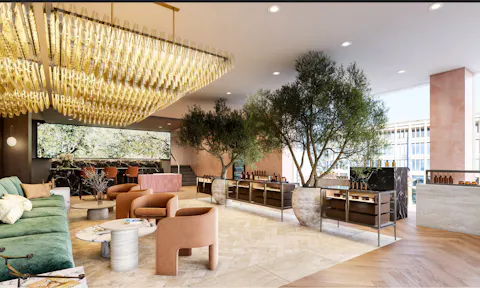


- Pop-up Spaces in Chinatown, Los Angeles |
- Pop-up Spaces in Downtown Los Angeles |
- Pop-up Spaces in Echo Park, Los Angeles |
- Pop-up Spaces in Fashion District, Los Angeles |
- Pop-up Spaces in Hollywood Hills, Los Angeles |
- Pop-up Spaces in Hollywood, Los Angeles |
- Pop-up Spaces in Sherman Oaks, Los Angeles |
- Pop-up Spaces in Silver Lake, Los Angeles |
- Pop-up Spaces in Venice Beach, Los Angeles
- Art Studios & Creative Spaces in Los Angeles |
- Cheap Space in Los Angeles |
- Cheap Storefront in Los Angeles |
- Corporate Event Venue in Los Angeles |
- Fitting Rooms in Los Angeles |
- Shopping Mall Space & Shopping Centre Space in Los Angeles |
- Small Storefront in Los Angeles |
- Storefront With Kitchen in Los Angeles
Why rent a Shop Share Space in Los Angeles, United States?
Finding the right location is pivotal for retail success, especially in a bustling market like Los Angeles. The decision to rent a shop share space can markedly influence your brand's visibility, customer connection, and overall growth. In such a competitive landscape, understanding the retail store rental benefits can give businesses the edge they need.
One of the primary advantages of renting a retail space is the opportunity to access passing trade. In lively commercial areas, your store can attract a diverse customer base simply by being situated in a location with high visibility. This means that potential customers who may have never heard of your brand are now walking by your storefront, providing you with a chance to pique their interest and drive sales. This exposure is invaluable for building a brand presence in a targeted area, reinforcing the link between location and customer engagement.
Renting a retail space allows for direct interaction with customers. This personal connection is essential for understanding consumer preferences and gathering feedback. In a physical retail environment, you can showcase your products effectively and create memorable experiences that resonate with your audience, enriching their relationship with your brand. This level of engagement is harder to achieve through online channels, further emphasizing the importance of a physical presence.
The strategic advantages of being located in a bustling commercial area cannot be overstated. Not only do you benefit from increased visibility, but you also tap into the sales potential that comes with being part of a busy shopping district. The competitive atmosphere fosters networking opportunities with nearby businesses, leading to potential collaborations or partnerships that can be mutually beneficial. Your proximity to other retailers can enhance your store's credibility while positioning you alongside complementary brands, helping to attract customers looking for a comprehensive shopping experience.
Another significant benefit of renting a retail space is the flexibility and scalability it offers. Businesses can choose to rent short-term or long-term depending on their specific needs without committing to a permanent location immediately. This flexibility enables testing different concepts, product offerings, and market segments before making long-term investments. This capability to adapt is especially crucial in a dynamic market like Los Angeles, ensuring that businesses can pivot quickly according to changing consumer trends.
In conclusion, renting a shop share space in Los Angeles comes with numerous advantages that can substantially contribute to a retail brand's success. From accessing footfall and enhancing brand presence to fostering direct customer connections and benefiting from a vibrant commercial atmosphere, the merits are compelling. The combination of flexibility and the potential for scalable growth makes renting a retail space an appealing option for businesses looking to thrive in this competitive landscape. Whether you're a budding entrepreneur or an established brand, exploring the advantages of retail spaces through rental opportunities can set the foundation for lasting success in the heart of Los Angeles.
How much does it cost to rent a Shop Share Space in Los Angeles, United States?
Understanding retail rental costs is crucial for businesses planning to set up shop in competitive markets like Los Angeles. The cost to lease a shop can considerably impact your overall budget, so it's essential to consider various factors that influence these prices.
In Los Angeles, retail rental prices can vary dramatically based on location. City centers and high-traffic areas tend to command the highest rates due to increased visibility and foot traffic. For example, popular shopping districts like Rodeo Drive in Beverly Hills can exceed 300 dollars per square foot annually. In contrast, suburban areas or neighborhoods with lower passing trade can see rental costs drop to as low as 20 to 50 dollars per square foot annually, depending on the specific location and demand dynamics.
Several factors influence rental prices in the retail space, including the size of the store, walk-in traffic, and market demand. Larger spaces often see economies of scale, but they may also come with higher overall costs. The location of the retail space is a significant determinant, as areas with higher density and attractions generally incur higher rental fees. For example, areas near public transportation hubs, tourist attractions, or popular shopping areas naturally draw higher rents due to increased shopper accessibility.
Additional costs should also be factored into the overall expense of leasing a retail space. Utilities, security deposits, local taxes, and maintenance fees can all add to the financial commitment. For example, businesses in Los Angeles may find themselves paying anywhere from 1 to 2 dollars per square foot monthly for utilities and an additional 1 to 3 percent of the total rent for common area maintenance fees.
To navigate the complexities of retail rental costs effectively, businesses should take actionable steps. First, setting a realistic budget that accounts for both rental and additional costs is crucial. It is advisable to compare options in various neighborhoods, considering not only rental prices but also the potential for customer engagement. Consulting local experts, such as commercial real estate agents, can provide insights into market trends and help identify suitable spaces that align with business needs.
In conclusion, understanding the dynamics of retail rental prices and the various factors that influence these costs is essential for businesses looking to establish a presence in Los Angeles. By conducting thorough research and drawing on available resources, you can make informed decisions that will support your brand's long-term success.
The Benefits of Leasing a Shop Share Space in Los Angeles
Leasing a commercial space is often a cost-effective and flexible solution for businesses and individuals seeking retail stores, event venues, showrooms, or offices. In a dynamic market like Los Angeles, where real estate prices can soar into the millions, leasing offers an accessible alternative. According to recent studies, leasing can save businesses up to 30% compared to purchasing a property outright, providing an opportunity to invest those savings back into growth strategies.
One of the primary benefits of leasing is access to high-demand areas that would otherwise be prohibitively expensive for ownership. Being situated in a prime location in Los Angeles can significantly enhance visibility and customer footfall, essential for retail and event success. Leasing allows businesses to establish themselves in these coveted areas without the substantial initial capital outlay required for purchasing property.
Another advantage of leasing is scalability. For growing businesses, the ability to lease commercial spaces can be tailored to their specific needs. Whether a business is expanding its operations or testing a new market, leasing offers the opportunity to adjust the space as necessary. This flexibility is particularly beneficial in a city like Los Angeles, where trends can shift rapidly.
Leases also often include support for maintenance and infrastructure, which can alleviate concerns about day-to-day operational responsibilities. Having a landlord who handles property upkeep allows businesses to focus more on their core functions. This arrangement can be especially advantageous for companies that may not have the resources or expertise to manage property maintenance effectively.
For those looking to lease event spaces, the options are diverse and flexible. Many venues in Los Angeles offer rental rates that can cater to various budgets, with prices ranging from $100 for smaller spaces to upwards of $10,000 for larger, more amenity-rich locations. This hourly or daily rental flexibility is perfect for businesses hosting events, pop-up shops, or temporary campaigns, allowing for strategic use of space without long-term commitments.
When considering leasing opportunities, it is crucial to assess market trends carefully. Understanding local demand can guide decisions on location and rental terms. Calculating the total costs, including all potential expenses associated with leasing, will help ensure that the investment aligns with specific business goals.
Overall, leasing a shop share space in Los Angeles comes with numerous benefits. The opportunity to operate in prime locations, enjoy scalability, and share the burden of maintenance-related responsibilities makes leasing a strategic choice for businesses aiming to thrive in a competitive landscape. By taking the time to evaluate options carefully, businesses can tap into the advantages of leasing to foster growth and innovation.
What are the most popular neighborhoods for renting a Shop Share Space in Los Angeles, United States?
Los Angeles is a bustling city characterized by its diverse neighborhoods, each offering unique opportunities for businesses seeking to rent shop share spaces. Understanding how different types of businesses and events thrive in specific areas is key for maximizing success. Local culture, demographics, and market trends influence these dynamics. Creative hubs, such as Arts District and Silver Lake, attract innovative brands and serve as ideal locations for showrooms and pop-ups due to their artistic atmosphere and youthful demographics.
In contrast, high-end districts like Rodeo Drive and Melrose Avenue cater to luxury retail, drawing affluent shoppers and providing brands with an upscale environment that enhances their image. The passing trade in these areas can be substantial, with thousands of visitors per day, driven by both local residents and tourists seeking premium shopping experiences. For those looking for more eclectic markets, areas like Downtown Los Angeles and Venice Beach offer a blend of retail and cultural experiences that appeal to a wide range of consumers.
Warehouse districts, such as those around Arts District, can serve as excellent venues for events and promotions, providing ample space while retaining a gritty yet trendy feel. The presence of nearby landmarks, such as shopping streets, universities, or business centers, substantially impacts foot traffic and visibility. Locations close to institutions like UCLA or USC can benefit from consistent student and faculty traffic, making them prime spots for businesses catering to a younger demographic.
When evaluating neighborhood profiles for renting spaces in prime areas, consider factors such as the demographic fit for your brand, accessibility for your target market, and the competitive landscape. Balancing location costs with expected returns is essential, as prime areas may come with higher rents but also offer increased foot traffic and brand exposure. Strategic market research can provide insights into neighborhood performance and growth potential, ensuring that businesses make informed leasing decisions.
Key neighborhoods to consider for shop share spaces include The Grove for its vibrant shopping experience, West Hollywood for its trendy clientele, and Santa Monica for its beachfront allure. Understanding these neighborhood dynamics will provide brands with a strategic advantage in selecting the ideal location to thrive, ultimately contributing to the success of their retail ventures in Los Angeles.
Steps involved in planning a Shop Share Space in Los Angeles, United States
When planning a shop share space in Los Angeles, a structured approach is vital for success. The first step involves identifying the purpose of the space. Understanding whether the goal is to launch a new product, host a seasonal pop-up, or create a long-term retail presence will shape various aspects of the planning process. This purpose helps define the scale, design, and marketing strategies needed.
Next, understanding the target audience is essential. Researching demographics, preferences, and shopping behaviors can guide decisions regarding layout, inventory, and customer engagement tactics. This insight also informs the selection of the best locations for commercial spaces, ensuring that the site resonates with your intended market.
Setting a realistic budget is another vital step. This includes evaluating costs associated with renting, utilities, staffing, inventory, and marketing. Proper budgeting helps avoid overspending and ensures there are funds allocated for unexpected expenses.
Preparing your inventory is key for a successful launch. It’s important to offer products that align with the target audience's interests and preferences. This may involve collaborating with local artisans or curating a mix of established and emerging brands that reflect the shop’s theme.
Marketing and promotion strategies should be devised early in the planning process. A compelling launch campaign can build anticipation and draw customers to the new space. Utilize social media, local influencers, and community events to maximize outreach and engagement.
Hiring staff who are knowledgeable and enthusiastic about the products and brand helps enhance the customer experience. Training the team to represent the brand effectively can lead to lasting relationships with customers and encourage repeat visits.
Creating an immersive experience for customers is key. This could include interactive displays, engaging visual merchandising, and hosting events that tie into the brand’s narrative. These elements help forge a connection with customers and make the shopping experience memorable.
Ensuring secure payment transactions is fundamental. Implementing reliable and user-friendly payment systems can smooth the purchasing process and build customer trust.
After the space is launched, analyzing data on sales, customer feedback, and demographics provides valuable insights for ongoing improvements. It helps in assessing performance and making informed decisions for future marketing strategies.
Conducting market research to evaluate demand and competition in different neighborhoods is vital. Each area in Los Angeles has unique characteristics, so understanding the dynamics can give your shop significant advantages. Accessibility, public transport options, and nearby amenities should also be priorities when choosing a location, as these factors greatly influence foot traffic and customer convenience.
Lastly, consulting local real estate experts can provide insights into the most favorable rental terms and emerging opportunities. Reviewing lease agreements meticulously ensures that terms align with your business goals and allows for flexibility as your shop evolves.
By following these steps to plan a retail store thoughtfully, you position your shop share space for growth and success in a lively marketplace like Los Angeles.
How long should you rent a Shop Share Space in Los Angeles, United States to achieve your goals?
When contemplating the optimal lease length for a shop share space in Los Angeles, it is essential to consider the nature of your business, its objectives, and the specific intended use of the space, whether for retail, events, showrooms, or offices. Different types of business models will necessitate different leasing strategies.
For businesses aiming to engage customers with fresh and innovative concepts, short-term leases ranging from a few days to twelve months can be particularly beneficial. These leases are ideal for pop-up shops or temporary events, allowing companies to test new markets, introduce limited-time offerings, or create unique brand experiences without the long-term commitment of a traditional lease. This agility can be particularly valuable in a dynamic market atmosphere, such as Los Angeles, where consumer preferences shift rapidly.
Conversely, businesses seeking stability and customer familiarity may find that longer leases, typically spanning three to five years, better align with their strategic goals. Longer lease lengths offer the advantage of established locations, fostering repeat business and brand loyalty. This stability can be important for businesses like showrooms or offices that require consistent customer engagement and need to build a recognizable presence in their community.
The growing trend of flexible lease options is also worth noting. Many companies are now offering arrangements that allow businesses to adapt to market changes without being tethered to lengthy commitments. This flexibility can be advantageous for emerging brands or those experimenting with different retail strategies, enabling them to pivot as required based on performance and market conditions.
When considering the appropriate rental duration for commercial spaces, it is crucial to evaluate your specific business goals and understand current market trends. Conducting thorough research on potential locations and consulting detailed lease agreements will help ensure that the chosen rental timeline aligns with your objectives. By carefully planning your rental strategy, you can create a successful foundation for your business in Los Angeles's vibrant marketplace.
How can xNomad help your brand successfully launch a Shop Share Space in Los Angeles, United States?
Launching a Shop Share Space in Los Angeles can be a transformative opportunity for your brand, but navigating the complexities of retail environments can be challenging. This is where xNomad comes in as a trusted pop-up retail partner. With a commitment to trust, innovation, and simplicity, xNomad offers end-to-end retail solutions that simplify the process for brands looking to establish a strong presence in one of the world's most dynamic markets.
xNomad stands out by providing a full-service agency experience for brands. This approach includes everything from location scouting and concept design to marketing strategies tailored to your specific needs. By offering flexible booking options for days, weeks, months, or even years, xNomad helps brands scale their retail efforts in a way that aligns with their objectives. Whether you’re launching a new product or testing a market, having the right space and support is critical, and xNomad excels at bridging the gap between brands and landlords.
One of the significant advantages of partnering with xNomad is its global presence. This network not only provides access to prime retail spaces in Los Angeles, but it also equips brands with the resources needed to expand both locally and internationally. The partnership network xNomad has built is designed to revitalize urban areas by creating memorable and innovative pop-up experiences that attract foot traffic and engage customers.
xNomad understands that successful retail experiences are about more than just finding a space; they are about creating an atmosphere that resonates with consumers. Their end-to-end solutions include detailed design and furnishing options that make spaces move-in ready. XNomad can provide staffing solutions, ensuring that your shop share space runs smoothly from day one. This comprehensive support allows brands to focus on what they do best—delivering exceptional products and experiences to their customers.
The proven track record of xNomad with respected global brands showcases their ability to deliver results. By emphasizing excellent communication and innovation, xNomad builds strong relationships with its clients, enabling them to thrive in competitive retail environments.
In summary, if you are considering launching a Shop Share Space in Los Angeles, xNomad offers the expertise and resources to ensure your success. With their unique ability to connect brands with perfect spaces and deliver exceptional results, choosing xNomad for your retail needs certainly makes sense. Their commitment to community-building and revitalizing urban areas through innovative pop-up experiences further solidifies their status as a reliable partner in the retail space. Trust xNomad to turn your vision into reality with their comprehensive, flexible, and effective approach to retail solutions.
FAQ
Q: How do I choose the right location for my shop share space in Los Angeles?
A: Choosing the right location involves assessing your target audience, foot traffic, and neighborhood dynamics. Consider areas with high visibility and accessibility to your target market. For example, creative brands might thrive in the Arts District, while luxury brands may prefer Rodeo Drive. Research local demographics and market trends to make an informed decision.
Q: What are the hidden costs of renting a shop share space in Los Angeles?
A: Hidden costs can include utilities, maintenance fees, and local taxes. For instance, utilities might range from $1 to $2 per square foot monthly, and maintenance fees could add 1-3% of the total rent. It's important to factor these into your budget to avoid unexpected expenses and ensure financial planning aligns with your business goals.
Q: How does renting a shop share space compare to owning a retail property in Los Angeles?
A: Renting offers flexibility and lower upfront costs compared to owning. Leasing allows access to prime locations without the significant capital required for purchasing. For example, leasing can save businesses up to 30% compared to buying, enabling investment in growth strategies. This makes renting ideal for testing markets and adapting to trends.
Q: What are the risks of renting a shop share space in Los Angeles?
A: Risks include fluctuating rental prices and potential lease terminations. High-demand areas can see rental increases, impacting your budget. Also, short-term leases may not guarantee long-term stability. Be sure to review lease agreements carefully and consider flexible terms to mitigate these risks and align with your business strategy.
Q: How far in advance should I secure a shop share space for peak seasons in Los Angeles?
A: Securing a space 3-6 months in advance is advisable for peak seasons like Black Friday. Early booking ensures access to prime locations and favorable terms. High-demand periods require strategic planning to make the most of increased foot traffic and boost sales opportunities, making advance preparation vital for success.
Q: How can I effectively market my shop share space in Los Angeles?
A: Effective marketing involves using social media, local influencers, and community events. Create a compelling launch campaign to build anticipation. For example, collaborating with local artists or hosting exclusive events can attract attention and drive foot traffic. Tailor strategies to resonate with your target audience and enhance brand visibility.
Q: What is the best lease duration for a pop-up shop in Los Angeles?
A: Short-term leases ranging from a few days to 12 months are ideal for pop-up shops. They allow flexibility to test markets and introduce limited-time offerings without long-term commitments. This agility is beneficial in a dynamic market like Los Angeles, where consumer preferences can shift rapidly, enabling quick adaptation.
Q: How can xNomad assist in finding a shop share space in Los Angeles?
A: xNomad offers end-to-end solutions, including location scouting, concept design, and marketing strategies. They provide flexible booking options and a global network to expand locally and internationally. By connecting brands with prime spaces and offering comprehensive support, xNomad simplifies the process of launching successful retail experiences.
Q: What is a pop-up shop in Los Angeles and how does it work for a share project?
A: A pop-up shop in Los Angeles is a temporary retail space where businesses can sell products or services for a short period. It typically operates in high-traffic areas and allows brands to engage customers directly and test their offerings. For instance, many xNomad spaces cater to short-term events, offering flexibility for unique marketing approaches.
Q: How do I find pop-up retail space near me in Los Angeles for a share project?
A: To find pop-up retail space in Los Angeles, you can explore platforms like xNomad, which connects businesses with available locations. On top of that, local real estate websites and social media groups often list short-term rental opportunities. You can also reach out to community centers or local markets that may host temporary vendors.
Q: What types of spaces are available for pop-up shops in Los Angeles for a share project?
A: In Los Angeles, pop-up shops can be set up in various spaces such as vacant storefronts, markets, event venues, and even shared co-working spaces. Each type offers unique advantages, like visibility or community engagement. For example, xNomad offers diverse venues suitable for different retail concepts.
Q: How far in advance should I book a pop-up space in Los Angeles for a share project?
A: It's advisable to book a pop-up space in Los Angeles at least 4-6 weeks in advance to secure the desired location and dates. This lead time allows for adequate planning and promotion of your event. However, some spaces may be available on shorter notice through marketplaces like xNomad.
Q: Can I rent a pop-up space for just one day or one weekend in Los Angeles for a share project?
A: Yes, many pop-up spaces in Los Angeles are available for rent for just one day or one weekend. This flexibility allows businesses to hold special events or promotions without long-term commitments. For example, xNomad frequently lists one-day options in energetic neighborhoods like Melrose or Downtown.
Q: Do I need a permit to run a share pop-up shop in Los Angeles?
A: Yes, you need a permit to operate a share pop-up shop in Los Angeles. This includes obtaining a specific business license and possibly additional permits based on your shop's location and type. Without a permit, you risk fines or being shut down. Check local regulations for precise requirements.
Q: How do I obtain a pop-up shop permit in Los Angeles for my share project?
A: To obtain a pop-up shop permit in Los Angeles for your share project, visit the city’s Department of Building and Safety website. You may have to fill out an application and provide details about your shop’s location and plans. Various permits, including fire and health, may be required depending on your offerings.
Q: How long does it take to get a pop-up shop permit in Los Angeles for my share project?
A: It typically takes about 2 to 4 weeks to get a pop-up shop permit in Los Angeles for your share project. The timeframe can vary based on the complexity of your application and the specific permits required. Planning ahead is crucial to ensure you meet your opening schedule.
Q: Can I operate a pop-up shop without a permit in Los Angeles for my share project?
A: No, you cannot operate a pop-up shop without a permit in Los Angeles for your share project. Doing so may lead to legal issues, including fines or closures. Ensure to secure all necessary permits before setting up to avoid complications.
Q: Do I need insurance for a share pop-up shop in Los Angeles?
A: Yes, obtaining insurance for your share pop-up shop in Los Angeles is advisable. Insurance protects you from potential liabilities, such as accidents or property damage. Consult with an insurance provider for options tailored to pop-up shops, including general liability coverage.
Q: Are there any specific permit requirements I should know about before booking a space for my share pop-up shop in Los Angeles?
A: Yes, specific permit requirements for a share pop-up shop in Los Angeles include zoning permits and health department approvals if you sell food. It helps to research your intended location’s regulations before booking. Different venues may have varying stipulations as well.
Q: Does the venue handle permits or is that my responsibility for a share pop-up shop in Los Angeles?
A: Generally, obtaining permits for a share pop-up shop in Los Angeles is your responsibility. While some venues may assist or provide guidance, ultimately, it's up to you to ensure all necessary permits are secured. Confirm with the venue about their policies regarding permits during the booking process.
Q: What are some creative display ideas for a pop-up shop in Los Angeles to share?
A: Use bold backdrops, creative lighting, and interactive displays to engage visitors. Incorporate local art to reflect LA's culture and aesthetic. Implementing such elements can transform your space and draw in customers, making them feel connected to the local vibe.
Q: How can I design an eye-catching pop-up stand on a budget in Los Angeles to share?
A: Utilize DIY materials like reclaimed wood and fabric to create a unique stand. Opt for vibrant colors and clever signage that resonates with the target audience. Many successful stands in LA have been built for under $500, showcasing creativity over cost.
Q: How do I make my pop-up shop social media friendly in Los Angeles to share?
A: Create visually appealing photo spots with branded backdrops and props. Incorporate hashtags and encourage visitors to share their experiences online. Successful pop-up shops in LA often feature shareable installations that boost online engagement significantly.
Q: What are some pop-up shop table display ideas in Los Angeles to share?
A: Consider height variation by using stands, crates, or themed tablecloths to draw attention. Arrange products in an aesthetically pleasing way while making them easily accessible. Many LA shops use eye-catching color schemes and organized layouts to enhance customer interaction.
Q: What are the most trending pop-up shop display ideas right now in Los Angeles to share?
A: Incorporate sustainability by using eco-friendly materials and installations. Interactive displays such as virtual reality or immersive experiences are gaining popularity in LA. These concepts not only attract visitors but also encourage longer stays and deeper engagement.
Q: What furniture or fixtures do I need to set up a pop-up shop in Los Angeles to share?
A: Essential items include display tables, shelving units, and seating to create a welcoming environment. Invest in portable furniture for easy setup and takedown. Many successful pop-ups in LA use modular designs that allow flexibility and efficient use of space.
Q: What are the first steps to starting a pop-up shop in Los Angeles for a share project?
A: The initial steps include defining your concept and target audience, securing necessary permits, and sourcing your products. Establish a timeline and budget for your pop-up. Planning these elements carefully can ensure a successful launch, especially in a bustling market like Los Angeles.
Q: Do I need a business plan for a pop-up shop in Los Angeles for a share project?
A: Yes, a business plan is key for a pop-up shop as it outlines your goals, strategies, and financial projections. It helps in securing funding and serves as a roadmap aligning your vision with operational practices. A well-crafted plan can enhance your chances of success in the competitive Los Angeles market.
Q: What should I look for when choosing a pop-up shop location in Los Angeles for a share project?
A: Look for high walk-in traffic areas, accessibility, and a demographic that matches your target market. The space should be adaptable, visible, and in a location with complementary businesses. In Los Angeles, a spot in a trendy neighborhood or popular shopping district could substantially impact your visibility and sales.
Q: What are the key benefits of running a pop-up shop in Los Angeles for a share project?
A: Running a pop-up shop allows you to test the market without long-term commitments while creating buzz and brand awareness. It also enables direct customer interaction and immediate feedback on products. In a dynamic city like Los Angeles, this approach can attract diverse audiences and generate quick sales.
Q: What are the necessary documents for a share project in Los Angeles?
A: For a share project in Los Angeles, you'll typically need a business license, proof of address, and any required permits. These documents ensure compliance with local regulations and help navigate bureaucratic processes. You may need insurance depending on the type of shared services you plan to offer.
Q: How can I promote my share project in Los Angeles?
A: To promote a share project in Los Angeles, use social media platforms, local events, and community boards. Engaging with local influencers and collaborating with other businesses can also enhance visibility and attract a broader audience. Content marketing through blogs and videos showcasing the benefits of your share project can further boost interest.
Q: What should I consider when planning a pop-up shop for my brand in Los Angeles for a share project?
A: Evaluate your target demographic, location, and marketing strategy. The success of your pop-up shop in Los Angeles relies on understanding customer preferences and the foot traffic of your chosen area. Consider the timing as well; peak seasons can significantly impact sales.
Q: How do I choose the right pop-up format for my brand in Los Angeles for a share project?
A: Assess your budget, product type, and target audience to select the optimal format. For example, a concession in a popular food hall may attract foodies, while a market stall could suit artisanal goods. Each format has different costs and benefits, so research is essential.
Q: What are the most common mistakes first-time pop-up operators make in Los Angeles for a share project?
A: Many first-time operators underestimate the importance of planning and marketing. Common errors include insufficient promotion, unclear branding, and poor inventory management. For instance, running out of stock due to lack of demand forecasting can lead to lost sales opportunities.
Q: What are the best locations and setups for a share project in Los Angeles?
A: The best locations for a share project in Los Angeles include popular areas like Venice Beach and downtown at a busy market. Setups should accommodate foot traffic, featuring tents, displays, and seating areas to engage visitors. Having access to power sources and Wi-Fi can enhance the shopping experience. For example, Venice Beach sees millions of visitors annually, making it ideal for pop-up shops.
Q: How do I run a share project pop-up shop outside or on a trail/market route in Los Angeles?
A: To run a share project pop-up shop in Los Angeles, begin by selecting high-traffic locations such as farmers' markets or community events. Ensure you have the necessary permits and follow local regulations. Create an inviting atmosphere with product displays and signage. For instance, participating in events like the Melrose Trading Post can attract diverse crowds.
Q: What should I consider when doing a share project pop-up shop at an outdoor event in Los Angeles?
A: When planning a share project pop-up shop at an outdoor event in Los Angeles, consider weather conditions, target audience, and competition. Have contingency plans for rain or heat and ensure your branding stands out. Plus, securing the right permits and promoting via social media can drive traffic. Events like LA Free Ear can be key opportunities to engage with potential customers.
Q: What equipment do I need for a pop-up coffee shop in Los Angeles for a share project?
A: For a pop-up coffee shop, essential equipment includes espresso machines, grinders, coffee brewers, and portable carts. You'll also need serving utensils, cups, and an inventory management system. Proper equipment ensures efficient service and quality beverages. For example, an espresso machine can cost anywhere from $500 to $3,000 based on features and brand.
Q: What are the best locations for a pop-up coffee shop in Los Angeles for a share project?
A: Prime locations for a pop-up coffee shop include busy street corners, farmers' markets, and outdoor festivals in Los Angeles. These spots attract footfall and provide visibility to potential customers. Considering the city's bustling art scene, hosting your pop-up at local art fairs can also enhance your reach and customer base.
Q: How do I promote a pop-up coffee event on social media in Los Angeles for a share project?
A: Promote your pop-up coffee event on social media by creating eye-catching graphics, sharing engaging content, and using local hashtags. Collaborate with local influencers to expand your reach and create anticipation for the event. For instance, using platforms like Instagram to showcase behind-the-scenes preparations can increase engagement and attract more visitors.
Q: How do I start a successful pop-up coffee shop in Los Angeles for a share project?
A: To start a successful pop-up coffee shop, research your target market, plan your menu, and secure necessary permits in Los Angeles. Begin by finding the right location and create a marketing strategy to draw customers. Engaging with local events and collaborating with brands like xNomad can help increase visibility and credibility. Découvrez nos espaces Scopri i nostri spazi Ontdek onze ruimtes 探索我们的空间