Locations
Explore locations
Find pop-up spaces in leading global and local retail cities.


Pop Up Shops For Rent in Chicago

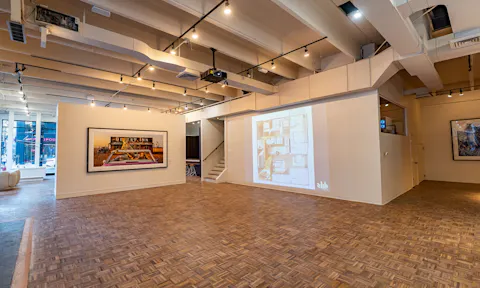

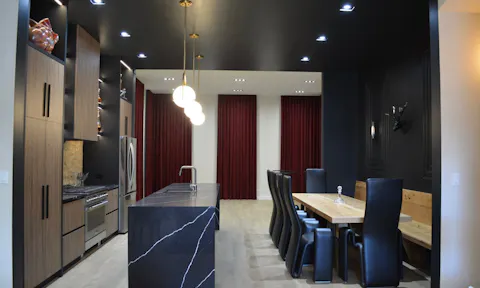


Chicago pop-up shops work best when the space supports quick setup, clear product presentation, and a booking process that fits a short retail timeline. On XNomad, you can compare temporary retail spaces, review practical details, and send an enquiry directly to the host once you find a space that matches your launch, sale, or in-person brand activation.
What a short-term retail space is good for
A retail listing on this page is built for customer-facing use. That usually means pop-up stores, capsule collections, product launches, seasonal retail, sample sales, direct-to-consumer testing, and short campaign activations.
If your project depends on browsing, product display, and smooth in-store flow, a retail space is often the right starting point. Compared with a more general commercial venue, the most useful listings are the ones that already support selling: good street access, space for merchandising, and room for staff to operate without disrupting the customer experience.
Features worth checking before you enquire
For a pop-up shop, the best listing is not always the largest one. Focus on the details that affect trading from day one:
- Street-level access if you want customers to enter easily without extra wayfinding
- A visible storefront and display windows if presentation is part of the concept
- A counter, shelving, or existing furniture if you need to open quickly
- A fitting area for apparel, accessories, or retail led by trying items on
- A stock area so back-of-house storage does not take over the sales floor
- Reliable Wi-Fi, power access, heating, and air conditioning for day-to-day operations
- Toilet access for staff and longer opening hours
You may also want a simple, bright interior that can be adapted to your brand without heavy installation work. When the layout is already clean and easy to dress, setup is usually faster.
How to compare retail listings efficiently
When several spaces look suitable, compare them against the way your pop-up will actually run. Think about how customers enter, where hero products will sit, where payments happen, and how staff will restock during opening hours.
It helps to shortlist spaces by size, layout, and existing fit-out first, then check the operational points second: access for deliveries, storage, multiple entrances if needed, and whether the host allows light customisation. If you are still weighing different formats, the broader city hub can help you return to all short-term commercial spaces in Chicago, but for a sales-led project this retail page is the most relevant place to compare options.
What usually affects the rental decision
Hosts and brands typically align faster when the brief is clear. Before sending an enquiry, be ready to confirm your dates, opening hours, expected use, product category, and any setup needs.
Retail bookings are often shaped by practical fit more than by headline appearance. A space may look right in photos but still be less suitable if it lacks storage, display frontage, or a simple customer flow. On the other hand, a more straightforward shop can be the better choice if it is easy to merchandise and ready for trading with minimal changes.
If your concept includes staffed sales, changing product displays, or daily replenishment, mention that early. It helps the host confirm whether the space can support your operating plan.
What can influence the price of a pop-up shop
Short-term retail pricing usually depends on a mix of duration, size, fit-out level, and how ready the space is for immediate use. A fully presented shop with display features, storage, and retail fixtures may reduce setup costs even if the booking price is higher than a more basic unit.
The total cost is also shaped by what you need to bring in yourself. If you need rails, shelves, a counter, lighting adjustments, or additional furniture, the lower headline rate of an empty space may not be the cheapest option overall. For many brands, the best value comes from a listing that matches the concept closely enough to avoid unnecessary production and installation.
How XNomad helps you book faster
XNomad is designed for short-term commercial bookings, so the retail listings are structured to make comparison easier. You can review photos, space details, likely use cases, and practical features before contacting the host.
Once you have chosen a suitable shop, submit an enquiry with your dates and project requirements. Hosts can then confirm availability or ask follow-up questions through the platform. A clear brief usually leads to a faster response and a smoother path from shortlist to booking.
FAQ
What can I use a retail space for in Chicago?
Retail spaces on this page are most suitable for pop-up stores, product launches, short seasonal shops, sample sales, and other temporary customer-facing sales concepts. They are best for projects that need a storefront, product display, and room for customers to browse and buy.
What should I check first when choosing a pop-up shop?
Start with the basics that affect daily trading: layout, size, customer entry, storefront visibility, storage, and whether the space already includes useful retail elements such as shelving, a counter, or display windows. After that, check practical details like Wi-Fi, power, climate control, and toilet access.
Do all retail listings come ready to trade?
No. Some spaces are closer to move-in ready, while others are more stripped back and need additional setup. Review the listing carefully to see what is already installed and what you would need to bring in yourself.
How long can I rent a pop-up shop for?
XNomad focuses on short-term commercial rentals, so durations can suit temporary projects rather than traditional long leases. The exact rental period depends on the individual listing and host availability, so it is best to send your preferred dates in the enquiry.
What details should I include in my enquiry?
Include your preferred dates, the type of products you plan to sell, expected opening hours, any staffing plans, and whether you need storage, fitting space, or light customisation. A clear enquiry makes it easier for the host to confirm whether the shop fits your project.
What usually changes the cost of a temporary retail space?
The main factors are booking length, square footage, existing fit-out, and how much retail infrastructure is already in place. A space with fixtures, storage, and a customer-ready layout may cost more upfront but save time and setup expense.